TRENDING

Saturday, 19 September 2026
----------------------
8 Rabi' Al-Thani 1448 AH
A major wildfire in central Israel highlights the growing strain of climate change on national resources and the silent toll on ordinary citizens. This event underscores the urgent need for regional cooperation on environmental threats.
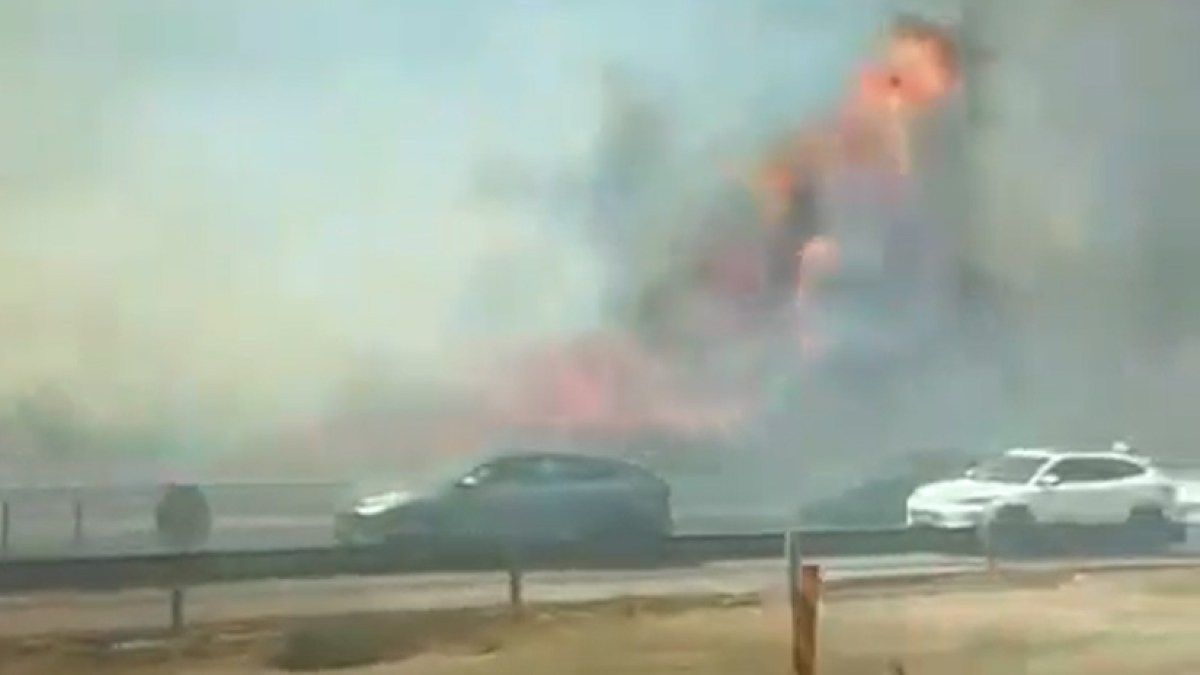
A significant wildfire recently swept through the Ben Shemen Forest in central Israel, prompting authorities to close major arteries like Highway 6. The blaze necessitated a substantial emergency response, with 21 ground crews and four firefighting aircraft deployed to halt its advance towards neighboring communities. While efforts successfully contained the immediate threat, the incident underscored the increasing vulnerability of the region to climate-driven events.
This wildfire, while seemingly a localized disaster, is a stark manifestation of broader power dynamics at play, primarily the escalating impact of global climate change. Nations like Israel, situated in an already arid and warming region, are increasingly confronted with the strain of extreme weather events. The power here lies not just with the government's capacity to respond, but with the systemic forces that necessitate such responses.
Governments worldwide face a complex equation: how to balance immediate security concerns, economic development, and the long-term, often abstract, threat of climate change. For Israel, a nation with significant defense expenditures, allocating sufficient resources to civilian climate resilience and emergency services becomes a critical political and economic trade-off. Every dollar spent on reactive firefighting is a dollar not invested in proactive prevention, social services, or other national priorities. The structural power dynamic here is that climate change acts as a relentless, non-partisan force, demanding resources and attention regardless of political agendas, forcing difficult choices upon leadership.
Furthermore, the incident highlights the fragile state of regional cooperation. While past major fires in Israel have seen international assistance, sometimes even from politically estranged neighbors, the default mode remains one of national isolation in crisis. Shared environmental threats, which inherently transcend borders, rarely translate into robust, depoliticized regional mechanisms for prevention or response. This absence is a powerful indicator of how entrenched political divisions continue to override common ecological interests, even when the human cost is clear.
When forests burn, the immediate images are of flames and smoke, but the true human cost extends far beyond the immediate destruction. Residents of communities bordering Ben Shemen Forest faced the terrifying prospect of evacuation, the loss of homes, and the disruption of their daily lives. For those whose livelihoods depend on the land, whether through agriculture, tourism, or forestry, the economic reverberations can be profound and long-lasting, often without adequate compensation or support.
Beyond the immediate threat, the pervasive smoke from such fires poses a significant public health hazard. Vulnerable populations – the elderly, children, and individuals with pre-existing respiratory conditions – bear a disproportionate burden, experiencing exacerbated health issues. These are the people whose voices are rarely heard in the high-level policy discussions about climate targets or national budgets, yet they are the ones who breathe the consequences. The psychological toll of living in an environment increasingly prone to such disasters, with the constant threat of displacement and loss, also weighs heavily on communities, fostering anxiety and uncertainty about the future. The human cost is not just measured in acres burned, but in the unseen erosion of well-being and security for ordinary citizens.
Official statements following such events typically focus on the heroism of firefighters, the efficiency of emergency services, and the swift containment of the blaze. What is consistently downplayed or omitted, however, is the deeper, systemic issue of climate change itself and its role in intensifying these events. Powerful actors, whether governments or corporations, often prefer to frame these incidents as isolated natural disasters or operational challenges, rather than direct consequences of a warming planet driven by human activity. This framing allows them to avoid accountability for long-term climate policies, or the lack thereof, and to defer difficult conversations about transitioning away from fossil fuels or investing significantly in climate adaptation.
There's also a significant gap in discussing the true economic cost. The public rarely gets a full accounting of the financial burden of continually responding to, and rebuilding from, climate-driven disasters. This "climate tax" is paid not through explicit levies, but through diverted public funds, increased insurance premiums, and the unquantified loss of natural capital. The focus remains on reactive measures, while the less visible, but far more impactful, investments in proactive forest management, early warning systems, and comprehensive climate resilience strategies are often sidelined or underfunded. The untold story is the quiet, persistent drain on national resources and the future prosperity of citizens, all while the root causes are politely sidestepped.
As the immediate smoke clears, several critical indicators will reveal the true trajectory of this challenge. Observers should watch for the frequency and intensity of similar extreme weather events across Israel and the broader Middle East. An increase will signal a worsening climate crisis, demanding more urgent and substantial responses. Pay close attention to how national budgets are adjusted in the coming years: will there be a significant reallocation of funds towards climate resilience, preventative measures, and robust emergency services, or will the focus remain predominantly on military and traditional security expenditures?
Crucially, the potential for regional environmental diplomacy bears watching. Will shared environmental threats, which inherently disregard political borders, eventually compel greater, more transparent cooperation between Israel and its neighbors on issues like water management, desertification, and wildfire prevention? Or will entrenched political divisions continue to overshadow the common interests of their populations? Finally, the level of public pressure for more decisive climate action and better disaster preparedness will be a key factor. As the human cost becomes more evident, citizens may increasingly demand that their governments move beyond reactive measures to implement comprehensive, long-term strategies for a warming world.
Source referenced: ALJAZEERA
This brief was synthesized by our Editorial Engine and reviewed by The Ground Narrative team.


