TRENDING

Thursday, 17 September 2026
----------------------
6 Rabi' Al-Thani 1448 AH
Iran has threatened to strike other nations' energy fields if the US launches fresh attacks, escalating tensions in the region and putting global energy supplies at risk. The move comes as the US and Iran remain at odds over nuclear negotiations and regional security.
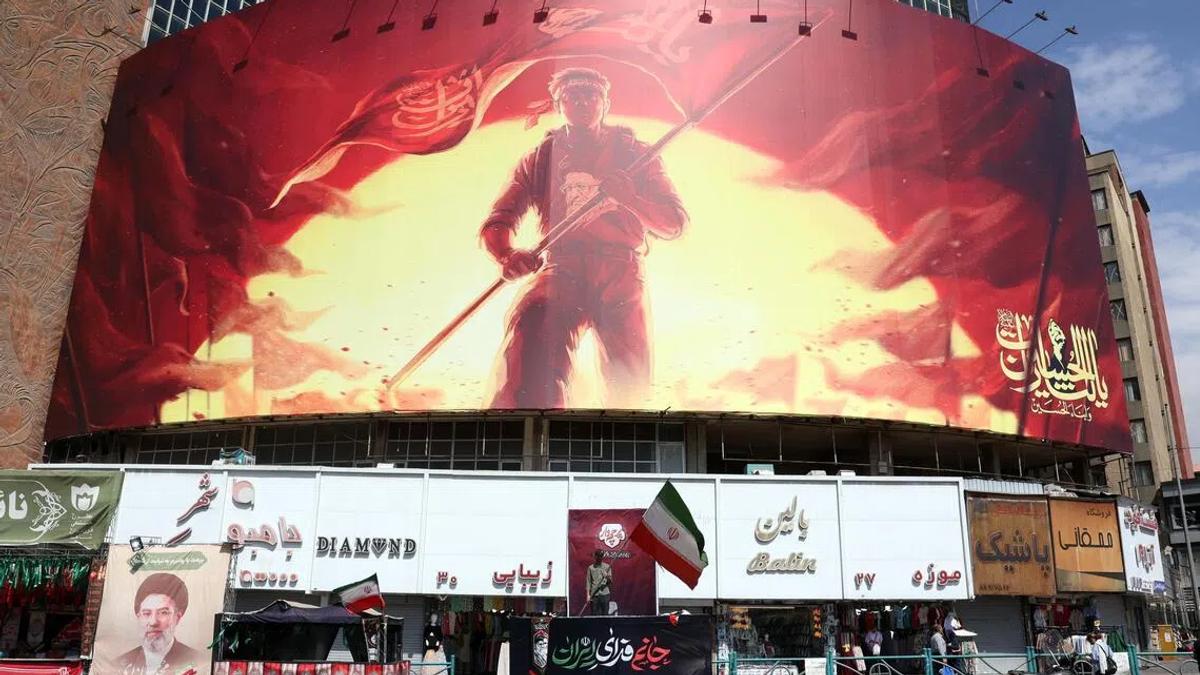
Iran has warned the US against taking any further military action, threatening to retaliate decisively if American forces follow through on President Donald Trump's threats of fresh attacks on Iranian targets. This warning comes after Kuwait's army reported destroying hostile drones launched by Iran against several vital facilities.
The current tensions between the US and Iran are driven by a complex interplay of power dynamics. The US is seeking to prevent Iran from gaining nuclear weapons, while Iran is looking to protect its sovereignty and regional influence. The Strait of Hormuz, a critical conduit for global energy supplies, has become a key battleground in this conflict. With Iran's Houthi allies in Yemen threatening the Bab el-Mandeb strait, another export route for Saudi crude, the risk of disruption to global energy supplies is high.
The people who will bear the human cost of this conflict are not just those living in the immediate region. The global economy is already feeling the effects of the war, with benchmark Brent crude futures rising 24% in July. This increase in fuel costs will have a disproportionate impact on low-income households and small businesses, who are already struggling to make ends meet. The conflict is also disrupting global supply chains, leading to shortages and price increases for essential goods.
What is being downplayed in the official statements is the role of other regional actors in escalating the conflict. The involvement of Israel and Saudi Arabia in the conflict has not been fully acknowledged, and the impact of their actions on the regional security landscape is not being fully considered. Additionally, the long-term consequences of a prolonged conflict on the region's economy and stability are not being adequately addressed.
As the situation continues to escalate, readers should watch for any signs of a negotiated settlement between the US and Iran. The involvement of other regional actors, such as Turkey and Pakistan, in mediating the conflict could be a positive development. However, the risk of miscalculation and unintended consequences remains high, and the global community should be prepared for any eventuality. The impact of the conflict on global energy supplies and the economy will also be critical to monitor in the coming weeks and months.
Editor's Note: The analysis is based on current events and may be subject to change as the situation develops.
Source referenced: STRAITSTIMES
This brief was synthesized by our Editorial Engine and reviewed by The Ground Narrative team.


