TRENDING

Sunday, 13 September 2026
----------------------
2 Rabi' Al-Thani 1448 AH
Hungary's sole nuclear power plant has been forced offline by record low Danube River levels, exposing Europe's energy infrastructure to the escalating realities of climate change. This unprecedented shutdown highlights the precarious balance between national energy security and environmental vulnerability, with ordinary citizens facing the direct consequences.
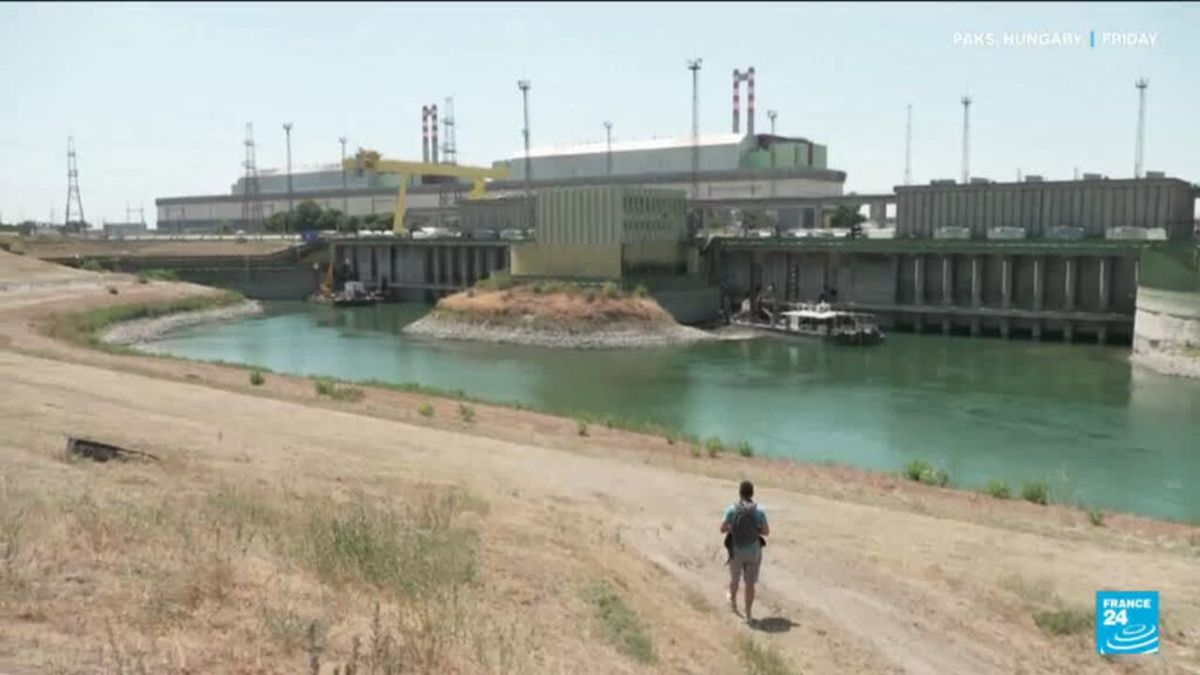
Hungary's only nuclear power plant, Paks, has been shut down for the first time in its history. The cause is stark and simple: the Danube River, which provides the plant's crucial cooling water, has fallen to record low levels due to prolonged drought and successive heatwaves sweeping across Europe. This incident is not isolated; it is a direct consequence of the continent's deepening energy crisis, exacerbated by extreme weather patterns that are increasingly becoming the norm.
At its core, this event is a stark illustration of how the raw power of nature, amplified by climate change, can override human infrastructure and political will. Hungary, like many nations, has pursued an energy strategy that balances independence, cost, and environmental considerations. Nuclear power, often seen as a stable, low-carbon baseload energy source, is a cornerstone of this strategy. However, the reliance on river water for cooling introduces a critical vulnerability that was perhaps underestimated or deemed a distant threat. The power mechanics here involve a complex interplay: national energy security (Hungary's need for reliable domestic power), economic trade-offs (the cost of alternative energy sources or cooling systems), and the unyielding reality of climate change, which imposes physical limits on even the most robust industrial systems. The decision to shut down Paks was not a political choice but an operational necessity, dictated by environmental conditions, highlighting the diminishing control governments have when faced with extreme natural phenomena.
The immediate human cost of this shutdown falls squarely on the shoulders of ordinary Hungarian citizens and businesses. The sudden loss of a major power source will inevitably lead to a scramble for alternative energy supplies, likely increasing reliance on more expensive imports or the reactivation of fossil fuel-based power plants. This translates directly into higher electricity prices for households struggling with inflation, potential energy rationing, and a heightened risk of blackouts that disrupt daily life and economic activity. Small businesses, manufacturing plants, and even critical public services face increased operational costs and uncertainty. The people who were not in the room when energy policies were drafted or climate models were debated are now the ones paying the most direct and tangible price for a system suddenly exposed as fragile.
What is often downplayed or omitted in official statements is the systemic vulnerability this event exposes across Europe. While governments focus on immediate solutions, the deeper issue is the long-term failure to adequately integrate severe climate risk into critical infrastructure planning. Was the risk of the Danube running dry truly unforeseen, or was it deemed a low-probability event that could be managed? The silence around this question is telling. Furthermore, the incident underscores the geopolitical implications of energy dependence. If Hungary is forced to significantly increase energy imports, it could inadvertently strengthen the hand of external energy suppliers, potentially undermining broader European efforts towards energy independence and diversification. This event is not just a Hungarian problem; it's a warning to other European nations with river-cooled power plants, revealing a continent-wide vulnerability that official narratives often frame as isolated incidents rather than systemic challenges.
Moving forward, several critical developments bear watching. Hungary's immediate response will be crucial: will it resort to increased fossil fuel consumption, or will it accelerate investments in more resilient, diversified energy sources and cooling technologies? The broader European Union's reaction will also be significant. Will this incident prompt a more urgent, coordinated effort to assess and adapt critical infrastructure across the bloc to climate change impacts? Observers should also monitor the public discourse around nuclear power's reliability: will this event undermine confidence in nuclear as a stable energy source, or will it spur innovation in climate-resilient plant design? The Paks shutdown is a stark reminder that the climate crisis is not a distant threat but an immediate operational challenge, and how Europe responds will define its energy security for decades to come.
Source referenced: FRANCE24
This brief was synthesized by our Editorial Engine and reviewed by The Ground Narrative team.


