TRENDING

Thursday, 17 September 2026
----------------------
6 Rabi' Al-Thani 1448 AH
A Franco-Argentinian national has been diagnosed with the Andes strain of hantavirus after holidaying in France, prompting a Europe-wide coordination effort. The rare virus, spread by rodents, has no vaccines or specific treatments, raising concerns about global health preparedness.
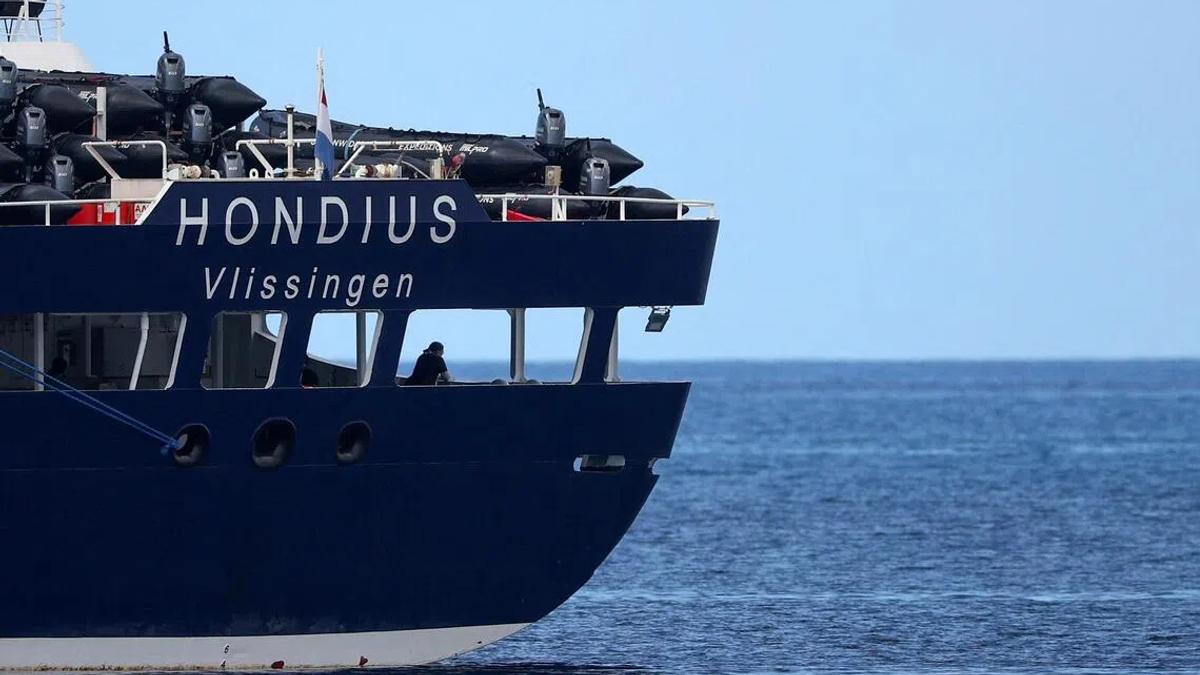
A case of hantavirus has been detected in a Franco-Argentinian national who recently holidayed in France. The patient, now isolated in Spain, has been confirmed to have the Andes strain of the virus, which is the only one transmissible between humans. This development comes after a deadly outbreak of the same strain on a cruise ship earlier in 2026, which triggered a global health alert.
The hantavirus outbreak highlights the complexities of global health governance. The World Health Organization (WHO) declared the end of the cruise ship-linked outbreak in early July, but the recent case in France indicates that the virus is still present and can spread beyond initial containment zones. The lack of vaccines or specific treatments for hantavirus underscores the need for robust public health infrastructure and international cooperation to combat emerging health threats.
The human cost of hantavirus outbreaks is significant. The recent cruise ship outbreak resulted in 13 cases and three deaths. While the number of cases may seem small compared to other global health issues, the fact that hantavirus is spread by rodents and can be transmitted between humans makes it a concerning public health risk. The patients affected by the virus, including the French woman who spent nearly three months in intensive care, face a long and challenging recovery process.
What is being downplayed in the current narrative is the potential for hantavirus to spread beyond isolated outbreaks. The fact that the recent case in France was detected in a patient who had holidayed in the country suggests that the virus may be more widespread than initially thought. Furthermore, the lack of transparency about the patient's travel history and potential contacts raises concerns about the effectiveness of contact tracing efforts. The WHO and national health authorities may be underestimating the risk of hantavirus transmission between humans, which could have significant implications for global health security.
Readers should watch for further developments in the hantavirus outbreak, particularly in terms of the WHO's response and the implementation of Europe-wide coordination measures. The effectiveness of contact tracing efforts and the ability of health authorities to contain the spread of the virus will be crucial in preventing further outbreaks. Additionally, the development of vaccines or specific treatments for hantavirus should be a priority for global health researchers and policymakers.
Editor's Note: The analysis is based on publicly available information and may not reflect the full complexity of the situation.
Source referenced: STRAITSTIMES
This brief was synthesized by our Editorial Engine and reviewed by The Ground Narrative team.


