TRENDING

Thursday, 17 September 2026
----------------------
6 Rabi' Al-Thani 1448 AH
German prosecutors have arrested a man suspected of complicity in the 1994 Rwanda genocide, utilizing the principle of universal jurisdiction. This development underscores the enduring global pursuit of justice for grave international crimes, regardless of where they were committed.
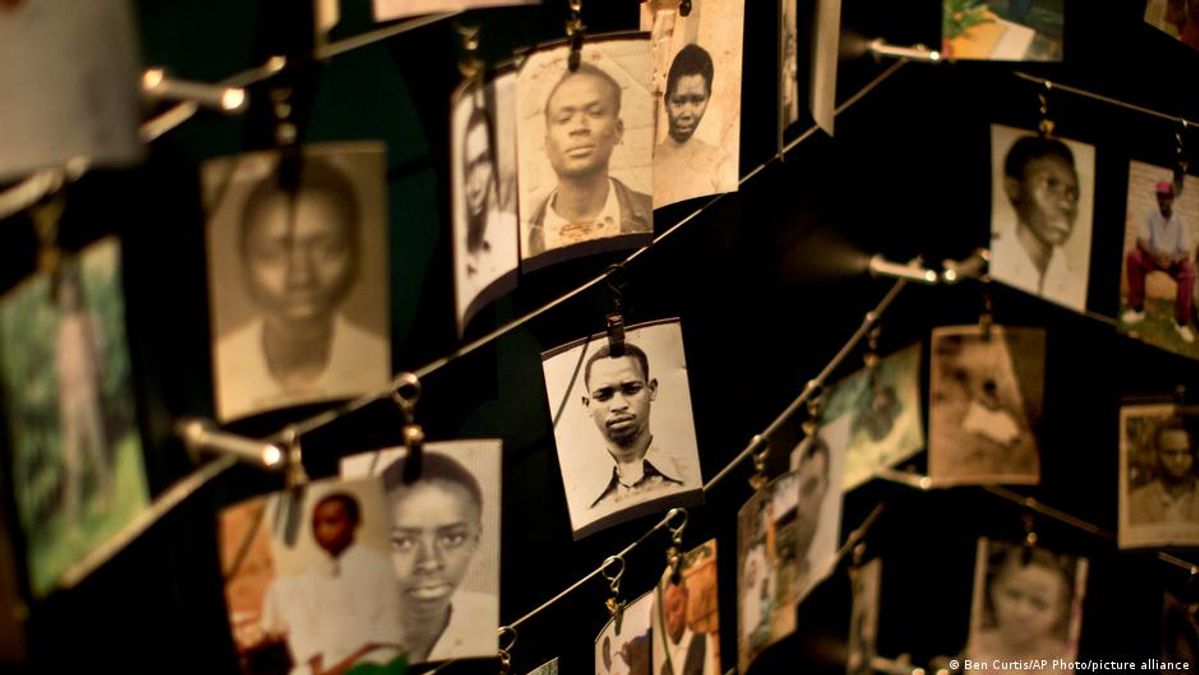
German prosecutors recently announced the arrest of a man identified only as Innocent S., suspected of being an accomplice in the horrific 1994 genocide in Rwanda. The arrest, made in the central German state of Hesse, marks a significant step in the ongoing international effort to hold perpetrators of mass atrocities accountable, even decades after the crimes were committed and far from the original scene.
The suspect is accused of grave offenses committed while he served as an assistant to the mayor of Kayove in northwestern Rwanda. Prosecutors allege that he gave orders for the deaths of 25 Tutsis, personally participated in at least one murder by stabbing a victim, and was involved in drawing up death lists and inciting the killing of Tutsis in the town. These accusations paint a picture of direct involvement in the systematic extermination that characterized the genocide.
The 1994 Rwanda genocide remains one of the darkest chapters in modern history. Over approximately 100 days, from April to July 1994, an estimated 800,000 Tutsis and moderate Hutus were systematically massacred by Hutu extremist militias. This campaign of violence was preceded by months of hate propaganda, culminating in a rapid and brutal extermination effort. The international community's failure to intervene decisively during the genocide is a widely acknowledged tragedy, leaving a lasting scar on global humanitarian efforts. The killings only ceased when the Rwandan Patriotic Front (RPF), a Tutsi-dominated force led by current President Paul Kagame, defeated the extremist Hutu government in July 1994.
The arrest of Innocent S. in Germany highlights the critical role of universal jurisdiction in international law. This principle allows national courts to prosecute individuals for certain serious international crimes, such as genocide, war crimes, and crimes against humanity, regardless of the nationality of the perpetrator or victim, or where the crime was committed. Germany has been a consistent proponent and practitioner of universal jurisdiction, having previously prosecuted several suspects linked to the Rwanda genocide and other international crimes.
This legal framework is particularly vital when the states where the crimes occurred are unable or unwilling to prosecute, or when perpetrators have fled to other countries. It ensures that individuals cannot evade justice simply by crossing borders, thereby reinforcing the global commitment to human rights and accountability. The German legal system's capacity and willingness to pursue such cases underscore its dedication to upholding international legal norms and contributing to global justice.
The arrest of Innocent S. sends a powerful message: the passage of time does not diminish the gravity of crimes against humanity, nor does it erase the possibility of justice. For survivors and victims' families of the Rwanda genocide, such arrests offer a measure of closure and reaffirm the principle that justice, though sometimes slow, can eventually prevail. It also serves as a deterrent to potential perpetrators of future atrocities, signaling that there are few safe havens for those who commit such heinous acts.
This development is part of a broader international effort that includes the work of the International Criminal Tribunal for Rwanda (ICTR), national courts in Rwanda, and other countries applying universal jurisdiction. The continued pursuit of justice for the Rwanda genocide demonstrates the international community's long-term commitment to combating impunity and upholding the foundational principles of international humanitarian law. It reinforces the idea that certain crimes are so egregious that they offend the conscience of humanity, necessitating a global response to ensure accountability.
Source referenced: DW
This brief was synthesized by our Editorial Engine and reviewed by The Ground Narrative team.


