TRENDING

Saturday, 19 September 2026
----------------------
8 Rabi' Al-Thani 1448 AH
Thousands of families in Gaza are living a daily nightmare, searching for loved ones who disappeared amidst the conflict and destruction. The lack of official information and the spread of conflicting reports trap communities in an agonizing limbo.
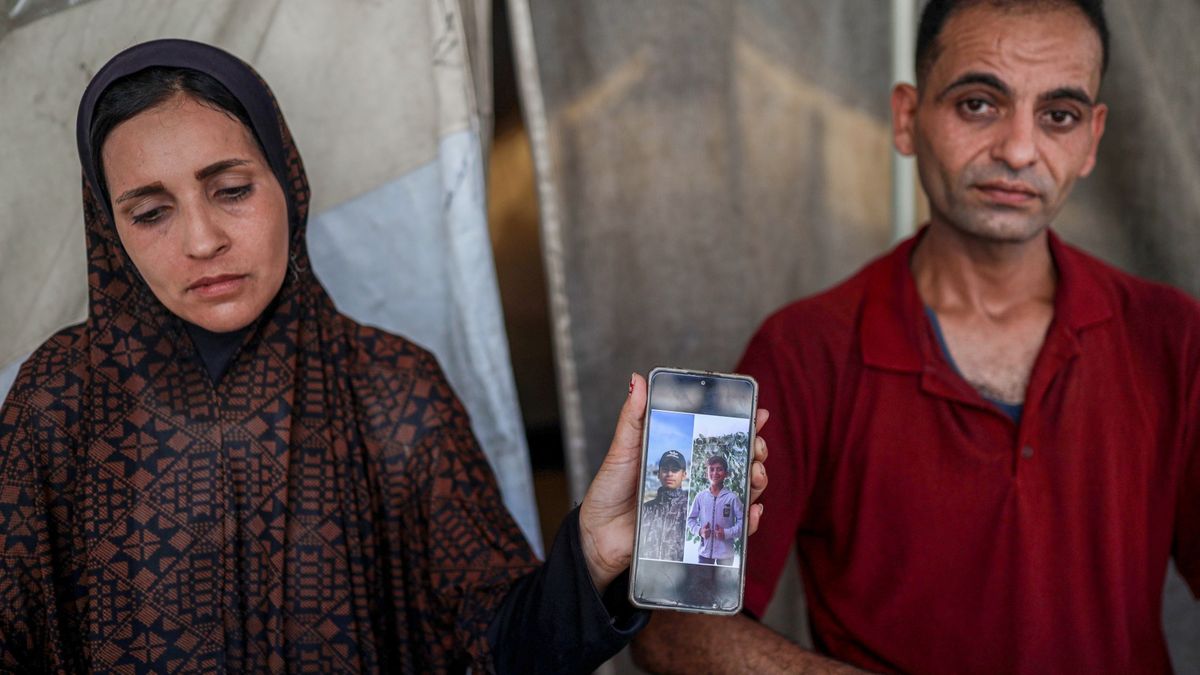
For over a year, Ashjan and Rafaat Abdel Aal have been caught in an agonizing limbo, their lives suspended between grief and desperate hope. Their sons, Othman, 17, and Sami, 13, vanished in June 2025 after leaving their displaced home in Gaza City to search for aid near the Netzarim Corridor. Their disappearance is not an isolated tragedy but a stark reflection of the estimated 11,200 people currently missing across the Gaza Strip, a direct consequence of the widespread conflict and humanitarian crisis.
The structural forces at play in Gaza create a fertile ground for such disappearances. The ongoing conflict has shattered civil infrastructure, including identification and documentation systems, making it nearly impossible to trace individuals. Israel's military control over significant portions of Gaza, including the establishment of zones like the 'Yellow Line' that restrict access, actively hinders search efforts by families and international organizations alike. Furthermore, the denial of access for bodies like the International Committee of the Red Cross (ICRC) to Israeli detention facilities since October 2023 means there is no independent verification mechanism for claims of detention. This opacity, whether deliberate or a byproduct of the chaos of war, serves to obscure the fate of thousands. The desperate need for food and basic necessities, driven by siege conditions, forces civilians, including children, into dangerous areas, directly increasing their vulnerability to disappearance, injury, or death, often near aid distribution points or destroyed homes.
The human cost of this uncertainty is immeasurable. For the Abdel Aal family, it manifests as severe psychological distress, an inability to grieve, and a life perpetually on hold. The parents cling to any shred of hope, making them vulnerable to unverified reports and misleading information, as seen with the unconfirmed lawyer's claim of their sons being in Israeli detention. This psychological burden extends to thousands of other families across Gaza, who cannot perform traditional mourning rituals or move forward with their lives without knowing the fate of their loved ones. Children, like Othman and Sami, are not just victims of direct violence but also of the systemic conditions that force them into perilous situations, paying the ultimate price for decisions made by powerful actors far removed from their daily struggle for survival.
What governments, military forces, and official statements often omit or downplay is the systemic nature of these disappearances. This is not merely an unfortunate side effect of war; it is a direct consequence of policies that restrict movement, control information, and create conditions of extreme desperation. The lack of comprehensive, transparent lists of detainees or casualties from the Israeli side, combined with the breakdown of local administrative functions, creates a vacuum that fuels fear, rumor, and exploitation. The psychological torment inflicted by prolonged uncertainty, the cycle of false hope and renewed despair, constitutes a silent, ongoing war against the mental well-being of an entire population. This deliberate or de facto information blockade prevents accountability, hinders humanitarian efforts, and prolongs the suffering of families, effectively using ambiguity as a weapon.
Moving forward, several critical developments bear watching. The most immediate is whether international humanitarian organizations, particularly the ICRC, will gain unimpeded access to all detention facilities holding individuals from Gaza. This access is paramount for verifying claims of detention and providing families with concrete information. Additionally, any future ceasefire or political arrangement must include robust mechanisms for identifying and accounting for missing persons, including thorough searches of rubble and access to all controlled areas. The long-term societal impact of this generation of unresolved disappearances on Gaza's social fabric and collective trauma will be profound and will require sustained international attention and resources for mental health and reconciliation, far beyond the immediate cessation of hostilities.
Source referenced: ALJAZEERA
This brief was synthesized by our Editorial Engine and reviewed by The Ground Narrative team.


