TRENDING

Sunday, 20 September 2026
----------------------
9 Rabi' Al-Thani 1448 AH
Hamas has approved a ceasefire roadmap for Gaza, but major disputes with Israel remain unresolved, and the agreement's success hinges on the ability of all parties to fulfill their commitments. The roadmap's implementation will determine whether the understandings reached through negotiations can be translated into lasting arrangements on the ground.
Hamas has approved the latest draft of a roadmap aimed at completing the implementation of the second phase of the Gaza ceasefire agreement. The roadmap marks a potential breakthrough in negotiations after more than two and a half years of conflict in the enclave. However, major disputes between Hamas and Israel remain unresolved, particularly over the sequence of key steps, including disarmament, Israel's military withdrawal, and Gaza's post-war governance.
The conflict in Gaza is a complex web of power dynamics, with various actors vying for influence. Israel's insistence on disarmament before withdrawal is a key sticking point, while Hamas's demand for a complete halt to Israeli military operations and withdrawal of Israeli forces is a non-negotiable condition. The United States, as a key mediator, has established the 'Board of Peace' to oversee Gaza's transitional administration, but the initiative has faced setbacks, including funding shortages and lack of participation from key allies.
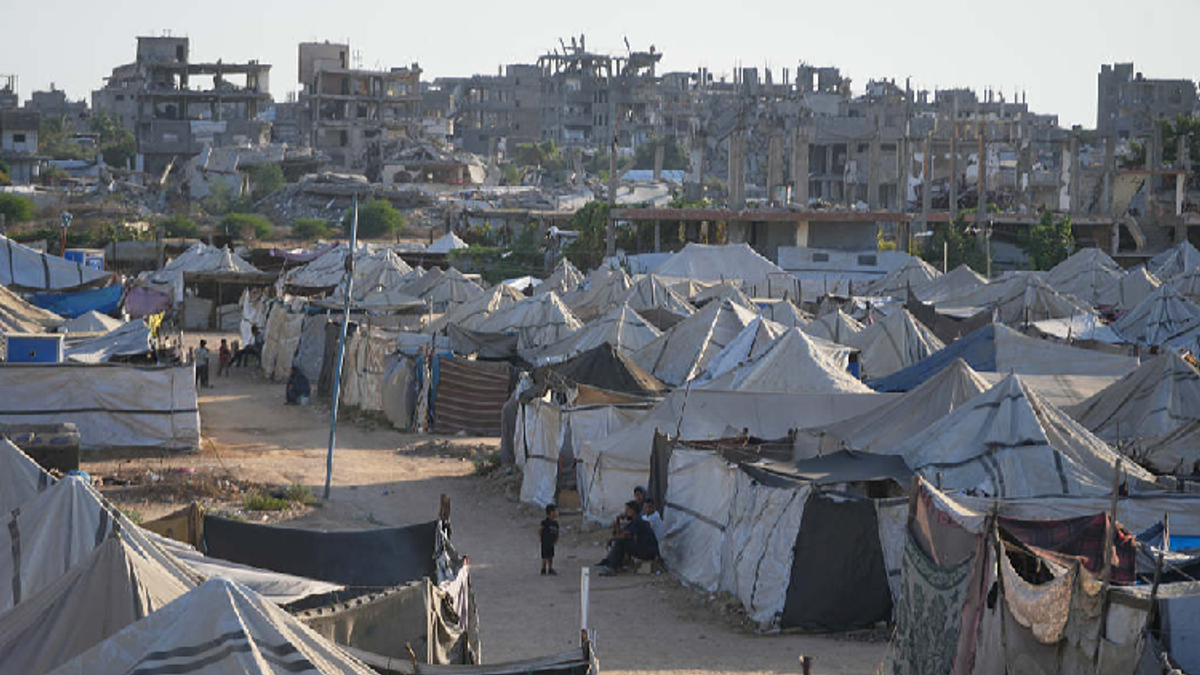
The people of Gaza are the primary victims of the conflict, with thousands displaced and infrastructure severely damaged. The proposed arrangement, which would transfer governance responsibilities in Gaza to a Palestinian national committee, faces significant challenges, including securing broad Palestinian support, rebuilding administrative institutions, and obtaining sufficient funding for reconstruction. The humanitarian crisis in Gaza is dire, with limited access to basic necessities like food, water, and healthcare.
What is being downplayed in the current narrative is the lack of clarity on Israel's obligations under the agreement. The US-backed phased approach mainly outlines demands on Hamas, while Israel's responsibilities are not clearly specified. This lack of clarity could lead to renewed fighting and the collapse of the deal, as each side accuses the other of violating the agreement. Additionally, the role of other regional actors, such as Iran and Egypt, in supporting or undermining the agreement is not being fully acknowledged.
The coming months will be crucial in determining the success of the ceasefire roadmap. Key indicators to watch include the ability of the Palestinian national committee to secure broad support and funding for reconstruction, the willingness of Israel to withdraw its forces and halt military operations, and the role of the 'Board of Peace' in overseeing the transitional administration. The reaction of other regional actors to the agreement will also be important, as will the response of the international community to the humanitarian crisis in Gaza.
Editor's Note: The analysis is based on current events and may be subject to change as the situation develops.
Source referenced: CGTN
This brief was synthesized by our Editorial Engine and reviewed by The Ground Narrative team.


