TRENDING

Sunday, 20 September 2026
----------------------
9 Rabi' Al-Thani 1448 AH
Israeli forces have killed at least eight Palestinians in strikes across the Gaza Strip, despite a recent US-backed disarmament plan. The attacks undermine the latest attempt at a ceasefire and highlight the deep-seated power dynamics at play. As the violence continues, it's the civilians in Gaza who bear the brunt of the conflict.
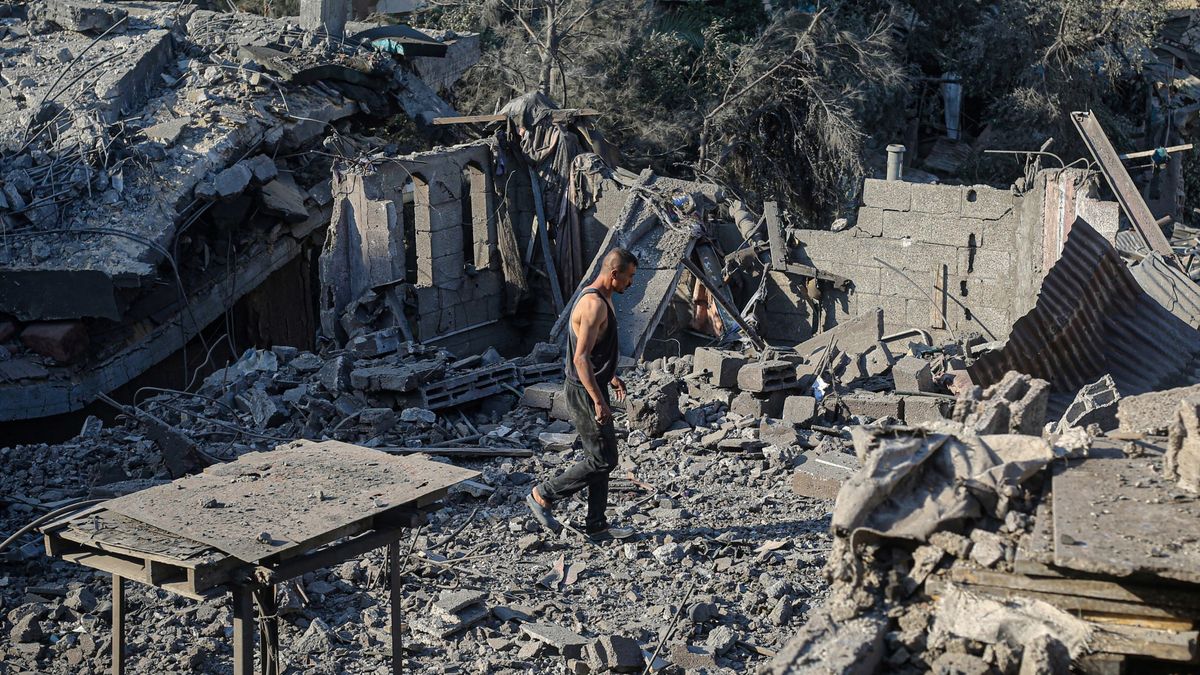
Israeli forces have launched a series of strikes across the Gaza Strip, killing at least eight Palestinians. The attacks come just days after the US unveiled a 15-point roadmap for implementing a ceasefire agreement in the region. The plan, aimed at disarming Hamas, has yet to be implemented on the ground.
The latest escalation of violence in Gaza is a stark reminder of the complex power dynamics at play in the region. Israel's refusal to withdraw its forces and halt military operations unless Hamas undergoes 'genuine disarmament' suggests that Tel Aviv is determined to maintain its military advantage. The US, meanwhile, is attempting to broker a peace deal, but its influence is limited by Israel's reluctance to compromise. The US-Israel alliance remains a crucial factor in the conflict, with Washington's ability to exert pressure on Israel constrained by domestic politics and strategic interests.
The people of Gaza are paying the price for the ongoing conflict. The latest strikes have destroyed homes, businesses, and infrastructure, leaving civilians without access to basic necessities like medical supplies. A medical supply warehouse in central Gaza was destroyed on Saturday, leaving a massive crater and further straining the already overwhelmed healthcare system. As the violence continues, it's the civilians in Gaza who bear the brunt of the conflict, with many forced to live in constant fear of attack.
What's being downplayed in the official narrative is the role of Israel's far-right government in undermining the ceasefire efforts. National Security Minister Itamar Ben-Gvir has called the US-backed plan 'unacceptable', and Israel's Prime Minister Benjamin Netanyahu has refused to publicly comment on the initiative. This suggests that there are significant divisions within the Israeli government, with hardline elements opposed to any compromise with Hamas. Meanwhile, the US is struggling to balance its strategic interests with its desire to broker a peace deal, with Jared Kushner working behind the scenes to halt the attacks on Gaza.
As the situation in Gaza continues to deteriorate, readers should watch for any signs of a shift in Israel's position on the ceasefire. Will the US be able to exert enough pressure on Israel to halt its military operations and withdraw its forces? Alternatively, will Hamas be able to maintain its resistance in the face of overwhelming Israeli military power? The answers to these questions will determine the course of the conflict in the coming weeks and months.
Editor's Note: The analysis is based on publicly available information and may not reflect the full complexity of the situation on the ground.
Source referenced: ALJAZEERA
This brief was synthesized by our Editorial Engine and reviewed by The Ground Narrative team.


