TRENDING

Sunday, 2 August 2026
----------------------
19 Safar 1448 AH
As France battles its worst wildfire season in decades, the government is stepping up fire prevention efforts, but the human cost of climate inaction is already being felt. The country's most vulnerable populations are bearing the brunt of the disaster, with thousands displaced and livelihoods destroyed.
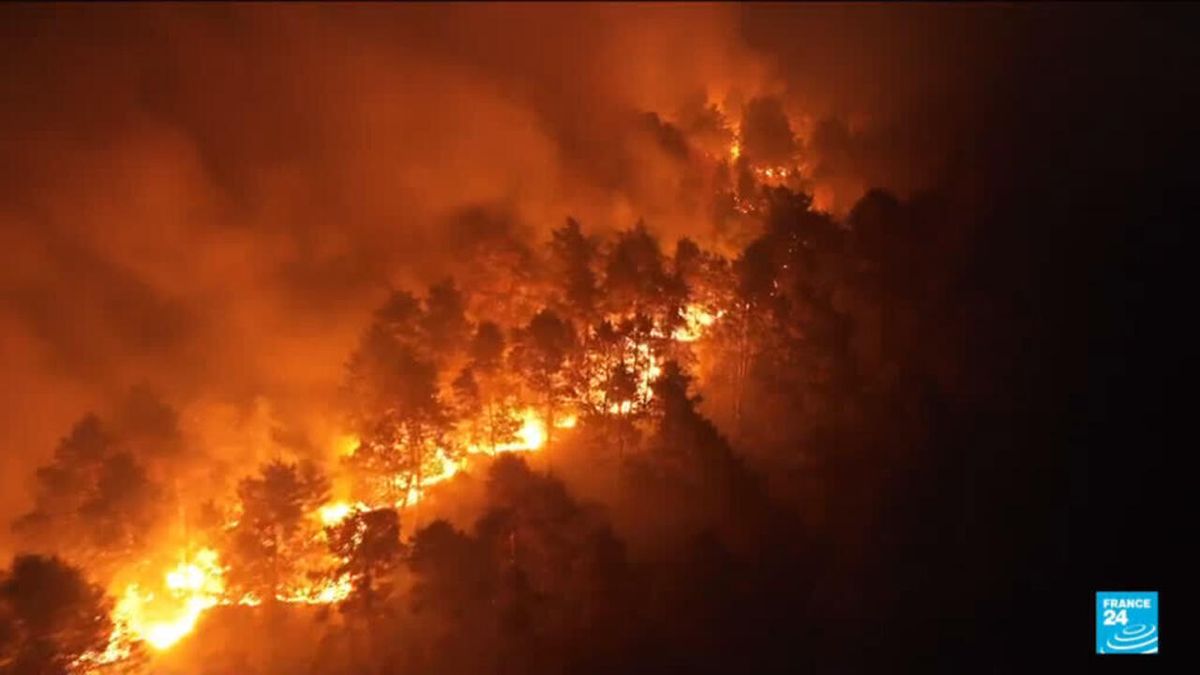
France is experiencing its worst wildfire season in decades, with thousands of firefighters deployed to contain the blazes. The government has announced measures to step up fire prevention, but the disaster has already had a devastating impact on local communities.
The French government's response to the wildfires is driven by a combination of factors, including the need to protect human life, preserve the environment, and maintain economic stability. However, the underlying causes of the disaster, including climate change and land management practices, are more complex and deeply ingrained. The incentives for climate action are clear, but the political will to implement meaningful reforms has been lacking. The European Union's climate policies have been criticized for being inadequate, and France's own track record on reducing carbon emissions has been patchy.
The people most affected by the wildfires are those living in rural areas, where the blazes have destroyed homes, livelihoods, and entire communities. The elderly, low-income families, and small business owners are among the most vulnerable populations, who often lack the resources to recover from such disasters. The psychological trauma caused by the fires should not be underestimated, with many people experiencing anxiety, stress, and displacement.
What is being downplayed in the official narrative is the role of climate change in exacerbating the wildfire risk. The French government's emphasis on fire prevention measures, while necessary, obscures the need for more fundamental action on reducing carbon emissions and transitioning to renewable energy sources. The EU's climate policies, including the European Green Deal, have been criticized for being too slow and too limited in scope. The fact that successive heatwaves have drained the Danube river, used to cool a nuclear plant, highlights the interconnectedness of climate-related disasters and the need for a more comprehensive approach to addressing them.
As the situation in France continues to unfold, readers should watch for signs of a more sustained commitment to climate action from the French government and the EU. The upcoming meeting of European leaders to discuss migration flux in Ceuta may provide an opportunity for a more nuanced discussion of the links between climate change, migration, and security. Meanwhile, the impact of the wildfires on local communities will continue to be felt, and it is essential to monitor the government's response to ensure that the most vulnerable populations receive the support they need to recover and rebuild.
Editor's Note: The analysis is based on publicly available information and may not reflect the full complexity of the situation on the ground.
Source referenced: FRANCE24
This brief was synthesized by our Editorial Engine and reviewed by The Ground Narrative team.


