TRENDING

Sunday, 2 August 2026
----------------------
19 Safar 1448 AH
A recent industrial waste fire in France has confined 30,000 people indoors, highlighting the country's severe wildfire issues and the need for a more comprehensive approach to environmental protection. The fire has also raised concerns about the impact of climate change on global air quality.
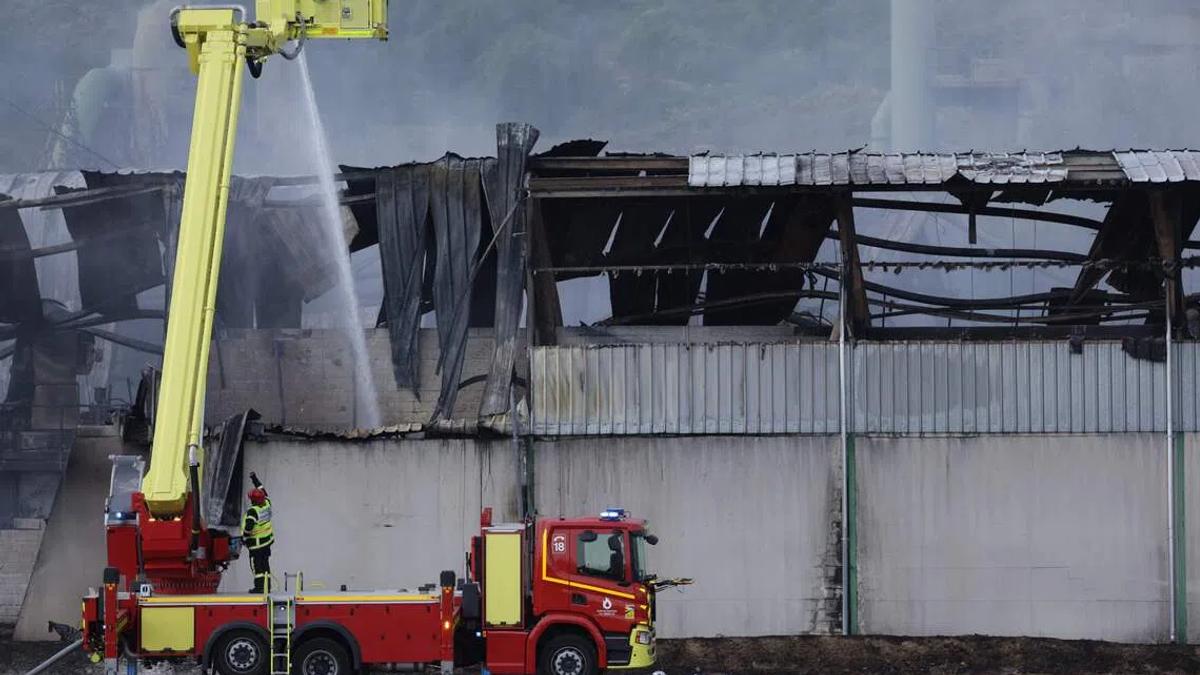
An industrial waste warehouse caught fire in the north-eastern French village of Gandrange, spewing foul smoke that gave residents headaches and forced 30,000 people to remain indoors. The fire was controlled by the afternoon, but the smoke was visible 15km away in the city of Metz, raising health concerns among residents.
The fire is a symptom of a larger issue - France's struggle to manage its industrial waste and mitigate the effects of climate change. The country has been rocked by a summer of wildfires, including its largest blaze since 1949, which has ravaged 42,000ha of land. The World Meteorological Organization has noted that wildfires can send a toxic mix of pollutants thousands of kilometers away, highlighting the need for international cooperation to address this issue.
The people of Gandrange and surrounding areas are bearing the human cost of this disaster. Residents have reported headaches and nausea due to the smoke, and many have been forced to stay indoors to avoid the toxic air. The fire has also disrupted daily life, with people like Amandine Vecchio taking precautions to protect her family, including telling her eight-year-old daughter to cover her mouth and nose and bringing their pets inside.
What is being downplayed in this story is the role of climate change in exacerbating France's wildfire issues. Scientists have noted that climate change has made 'fire-prone' weather conditions more likely in Spain and France, and the World Meteorological Organization has highlighted the global impact of wildfires on air quality. The French government's response to the crisis has also been criticized, with some arguing that more needs to be done to prevent such disasters in the future.
As the situation in France continues to unfold, readers should watch for the government's response to the crisis, including any measures taken to prevent similar disasters in the future. The international community should also be aware of the global implications of France's wildfire issues, including the potential for toxic pollutants to spread across continents. The impact of climate change on global air quality will be a critical issue to monitor in the coming months and years.
Editor's Note: The analysis is based on current events and scientific research, but the exact causes and consequences of the fire are still being investigated.
Source referenced: STRAITSTIMES
This brief was synthesized by our Editorial Engine and reviewed by The Ground Narrative team.


