TRENDING

Saturday, 19 September 2026
----------------------
8 Rabi' Al-Thani 1448 AH
As Russia's ballistic missile attacks on Ukraine intensify, NATO's hesitation on bolstering its air defense capabilities poses significant risks to European security. The alliance's reluctance to adopt a more proactive approach may have far-reaching consequences, including the potential for nuclear escalation. With the stakes higher than ever, it is crucial for European leaders to reassess their strategy and consider the human cost of inaction.
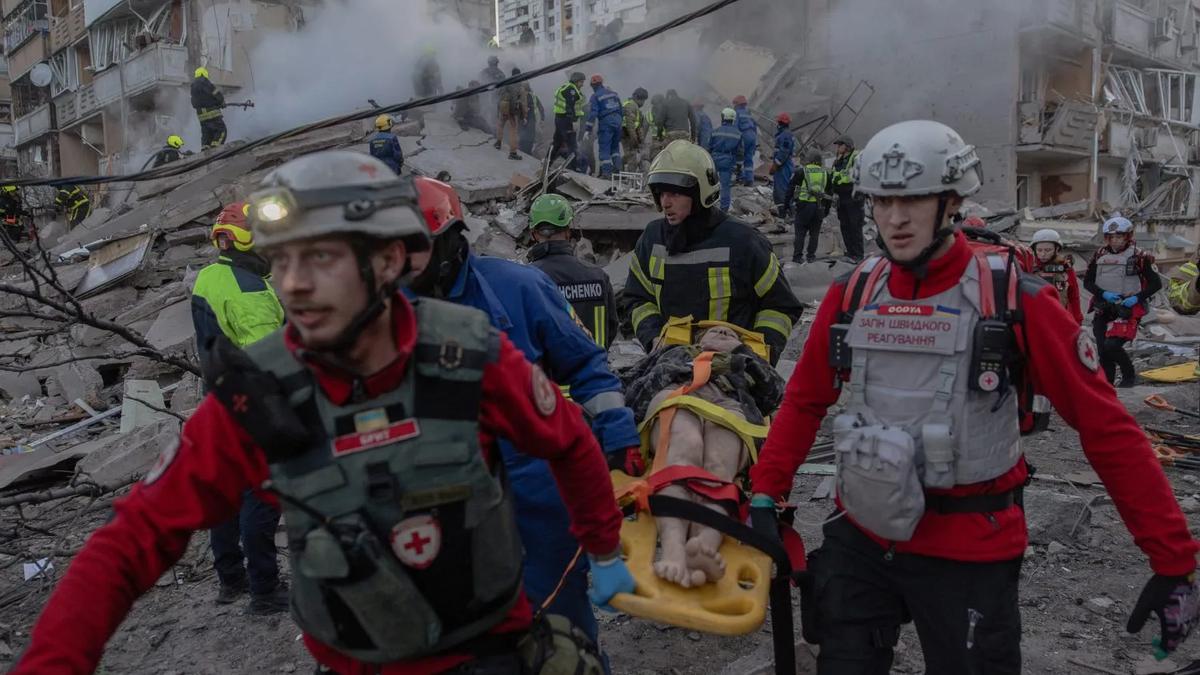
Russia's ongoing war in Ukraine has highlighted the urgent need for Europe to bolster its air defense capabilities. Despite the growing threat, NATO's response has been marked by hesitation, with the United States backing away from licensing Ukraine to build Patriot interceptors and declining Kyiv's request for 300 such interceptors. This decision has significant implications for Ukraine's ability to protect its cities from Russian ballistic missiles.
The power dynamics at play are complex, with multiple actors vying for influence. The United States, as a key player in NATO, has significant leverage over the alliance's decision-making process. However, its reluctance to share sensitive interceptor technology with Ukraine has created a bottleneck in the production of PAC-3 interceptors, which are essential for Ukraine's air defense. Meanwhile, Russia continues to exploit this weakness, launching devastating ballistic missile attacks on Ukrainian cities. The European Union, caught in the middle, must navigate the delicate balance between supporting Ukraine and avoiding escalation with Russia.
The human cost of NATO's hesitation is stark. Ukrainian cities are being ravaged by Russian ballistic missiles, resulting in significant loss of life and displacement of civilians. The lack of effective air defense capabilities has left Ukraine vulnerable to these attacks, which have become a regular occurrence. The people of Ukraine are paying the price for NATO's inaction, and it is essential that European leaders consider the human impact of their decisions.
What is being downplayed in the official narrative is the potential for nuclear escalation. Russia's nuclear capabilities are a significant concern, and any military action that targets its territory could be perceived as a threat to its nuclear arsenal. This has created a climate of fear, with European leaders hesitant to authorize deep strikes against Russian targets. However, this hesitation may ultimately prove to be a strategic mistake, as it allows Russia to continue its aggression with impunity. The real story is that NATO's reluctance to adopt a more proactive approach may have far-reaching consequences, including the potential for nuclear escalation.
As the situation in Ukraine continues to deteriorate, it is essential to watch for signs of a shift in NATO's strategy. Will European leaders finally authorize the deployment of more advanced air defense systems, such as the Patriot interceptors? Or will they continue to prioritize caution, potentially allowing Russia to gain the upper hand? The next few months will be crucial in determining the trajectory of the conflict, and it is essential that European leaders reassess their strategy and consider the human cost of inaction.
Editor's Note: The analysis is based on publicly available information and may not reflect the full complexity of the situation on the ground.
Source referenced: FOREIGNPOLICY
This brief was synthesized by our Editorial Engine and reviewed by The Ground Narrative team.


