TRENDING

Saturday, 1 August 2026
----------------------
18 Safar 1448 AH
Fighting has erupted in Ethiopia's Tigray region, threatening to reignite a conflict that left 600,000 dead between 2020-2022. Despite international mediation efforts, the region remains on the brink of war, with the local population bearing the brunt of the violence. The conflict has significant implications for regional stability and global powers' influence in the Horn of Africa.
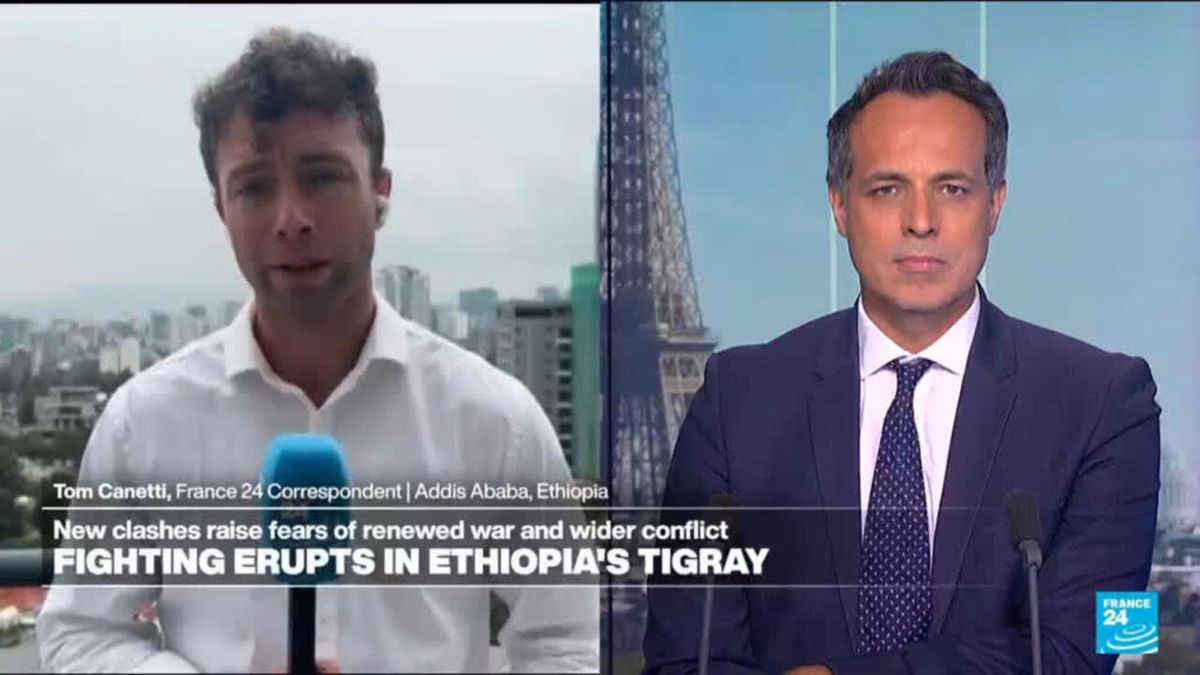
Clashes have broken out between the Tigray People's Liberation Front (TPLF) and the Ethiopian federal army in a contested area of the northern Tigray region. The renewed violence has raised fears of a full-scale war, which could have devastating consequences for the local population and regional stability.
The conflict in Tigray is a complex web of historical, political, and economic factors. The TPLF, which dominated Ethiopian politics for nearly three decades, has been at odds with the federal government since 2020. The Ethiopian government, led by Prime Minister Abiy Ahmed, has been trying to assert its authority over the region, while the TPLF is fighting for greater autonomy. International powers, including the US and the African Union, have attempted to mediate the conflict, but their efforts have been unsuccessful so far. The failure of mediation efforts highlights the limitations of international intervention in complex, deeply entrenched conflicts.
The people of Tigray have borne the brunt of the conflict, with over 600,000 killed between 2020-2022. The region is still recovering from the devastating effects of the war, with many communities struggling to access basic necessities like food, water, and healthcare. The humanitarian crisis in Tigray is a stark reminder of the human cost of conflict and the need for sustainable, inclusive peacebuilding efforts. The local population is not just a bystander in the conflict; they are actively engaged in the struggle for their rights, land, and identity.
Despite the international attention focused on the conflict, there are several aspects of the story that are being downplayed or omitted. The role of external actors, including the US and other global powers, in fueling the conflict through their diplomatic and military interventions, is often overlooked. Additionally, the historical context of the conflict, including the legacy of colonialism and the complex web of ethnic and regional identities, is frequently simplified or ignored. The TPLF's demands for greater autonomy and self-determination are often portrayed as separatist or extremist, rather than as a legitimate response to decades of marginalization and oppression.
As the conflict in Tigray continues to escalate, there are several key developments to watch. The response of the international community, including the US and the African Union, will be crucial in determining the trajectory of the conflict. The Ethiopian government's willingness to engage in meaningful dialogue with the TPLF and address the underlying grievances of the Tigray people will also be critical. The humanitarian situation in the region will continue to deteriorate unless there is a significant influx of aid and support. The people of Tigray will continue to bear the brunt of the conflict, and their voices and stories must be centered in any efforts to build a lasting peace.
Editor's Note: The analysis is based on publicly available information and may not reflect the full complexity of the conflict. The situation on the ground is fluid, and the outcome of the conflict is uncertain.
Source referenced: FRANCE24
This brief was synthesized by our Editorial Engine and reviewed by The Ground Narrative team.


