TRENDING

Sunday, 2 August 2026
----------------------
19 Safar 1448 AH
As the Ebola outbreak continues in the eastern Democratic Republic of the Congo, Virunga National Park is playing a crucial role in protecting both humans and endangered mountain gorillas from the disease. The park's efforts are part of a broader response to the outbreak, which has killed over 1,400 people in the DRC. With its natural barriers and health checkpoints, Virunga is working to prevent the spread of Ebola and protect the world's remaining mountain gorillas.
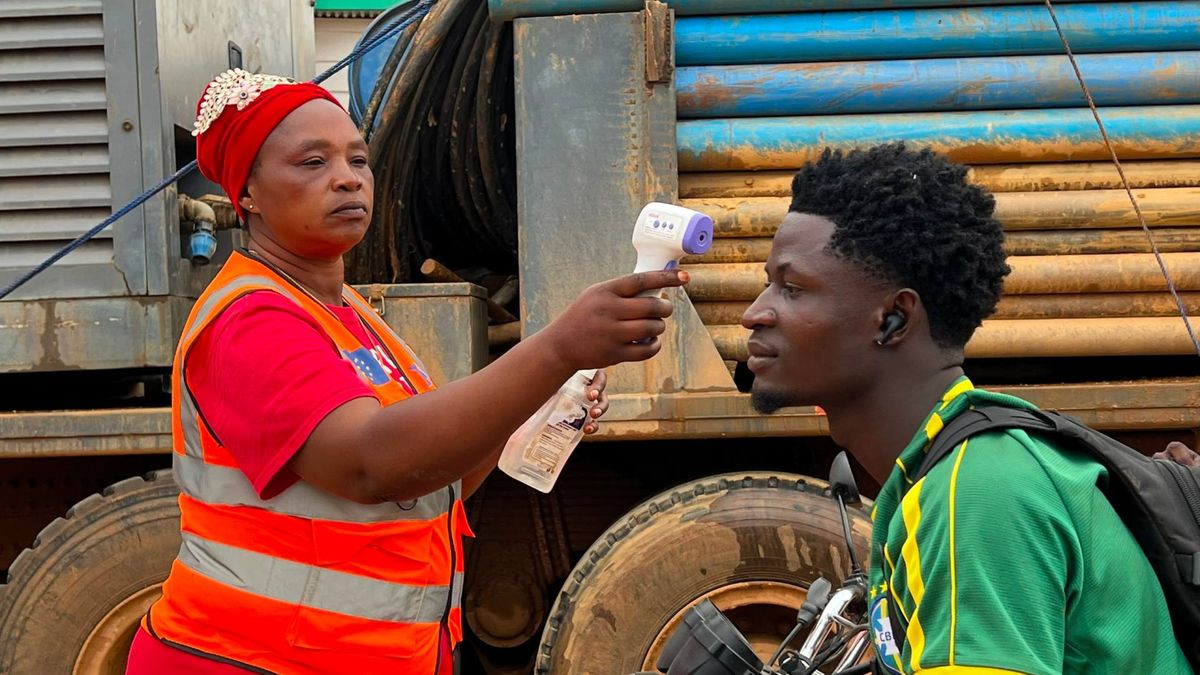
The Democratic Republic of the Congo is facing its 17th Ebola outbreak, with over 1,400 people killed since the outbreak began. Virunga National Park, a UNESCO World Heritage Site, is located in the eastern part of the country and is home to a significant population of endangered mountain gorillas. The park has established health checkpoints and deployed paramedics and rangers to monitor movement and prevent the spread of the disease.
The Ebola outbreak in the DRC is a complex issue, involving not only health concerns but also political and economic factors. The park's efforts to protect humans and gorillas are part of a broader response to the outbreak, which is led by Congolese health authorities and supported by technical and financial partners. The park's natural barriers and health checkpoints are crucial in preventing the spread of the disease, and its experience in previous outbreaks has strengthened cooperation between the park and health authorities.
The Ebola outbreak has had a devastating impact on communities in the eastern DRC, with over 1,400 people killed and many more affected. The park's efforts to protect humans and gorillas are crucial in preventing the spread of the disease and reducing the human cost. However, the outbreak also highlights the vulnerability of local communities and the need for continued support and resources to combat the disease.
What is often downplayed in the response to the Ebola outbreak is the critical role that conservation efforts play in preventing the spread of the disease. The park's natural barriers and health checkpoints are not only protecting humans but also the endangered mountain gorillas that live in the park. The close biological relationship between humans and gorillas makes them vulnerable to diseases carried by people, and the park's efforts to monitor gorilla health and screen visitors are essential in reducing the risk of human-to-animal transmission.
As the Ebola outbreak continues, it is essential to watch for the park's continued efforts to protect humans and gorillas. The park's experience in previous outbreaks has shown that its natural barriers and health checkpoints can be effective in preventing the spread of the disease. However, the outbreak also highlights the need for continued support and resources to combat the disease and protect the world's remaining mountain gorillas. Readers should watch for updates on the park's efforts and the impact of the outbreak on local communities and the gorilla population.
Editor's Note: The analysis is based on publicly available information and may not reflect the full complexity of the situation on the ground.
Source referenced: ALJAZEERA
This brief was synthesized by our Editorial Engine and reviewed by The Ground Narrative team.