TRENDING

Monday, 3 August 2026
----------------------
20 Safar 1448 AH
A cyclosporiasis outbreak in the US, linked to contaminated lettuce from Mexico, has resulted in two deaths in Michigan and over 11,000 reported cases. The outbreak highlights the importance of food safety and the need for effective government response. As the situation continues to unfold, it's essential to examine the power mechanics at play and the human cost of this crisis.
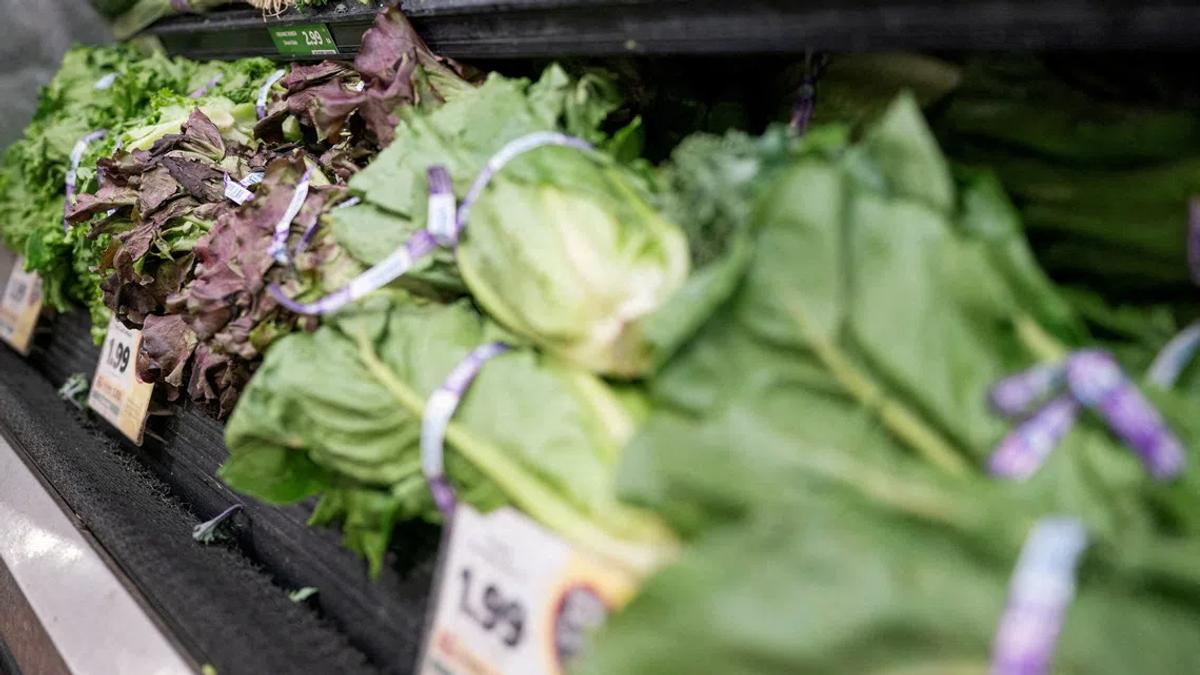
A cyclosporiasis outbreak in the US, caused by the Cyclospora parasite, has led to two deaths in Michigan and over 11,000 reported cases across nine states. The outbreak has been linked to contaminated iceberg lettuce sourced from Taylor Farms operations in central Mexico.
The US food safety system is complex, involving multiple government agencies and private companies. The FDA's investigation into the outbreak has identified contaminated lettuce as the primary source, but the agency is still searching for other potential sources. Cuts to federal health agencies have complicated the government's ability to respond to foodborne disease outbreaks, highlighting the need for effective funding and resource allocation. The outbreak has also affected consumer confidence, leading to lower lettuce sales and fewer visits to restaurant chains.
The outbreak has had a significant impact on individuals, particularly those with underlying health conditions. Adults aged 30 to 39 years have been the hardest hit in Michigan, accounting for over 2,000 reported cases. The outbreak has resulted in 193 hospitalizations, with symptoms including severe diarrhea, dehydration, nausea, and other gastrointestinal issues. The human cost of this crisis is not limited to those directly affected; it also has broader implications for public health and the economy.
While the FDA has linked the outbreak to contaminated lettuce, the role of private companies in the food safety system is often overlooked. Taylor Farms, the company at the center of the outbreak, has not commented publicly on the situation. The lack of transparency and accountability in the food industry can contribute to the spread of disease and undermine public trust. Furthermore, the impact of trade policies on food safety is a critical issue that requires attention. The sourcing of produce from countries with different regulatory standards can increase the risk of contamination.
As the outbreak continues to unfold, it's essential to monitor the FDA's investigation and the government's response. Additional cases and potential sources may be identified, and the agency's ability to contain the outbreak will be critical. The impact of the outbreak on consumer confidence and the economy will also be important to watch, as well as the potential long-term effects on public health and the food industry. The effectiveness of government agencies in responding to the crisis will be a key factor in determining the outcome of this situation.
Editor's Note: The analysis is based on publicly available information and may not reflect the full complexity of the situation.
Source referenced: STRAITSTIMES
This brief was synthesized by our Editorial Engine and reviewed by The Ground Narrative team.