TRENDING

Saturday, 19 September 2026
----------------------
8 Rabi' Al-Thani 1448 AH
Cuba faces another nationwide blackout as its aging power grid collapses, highlighting the severe daily impact of economic sanctions and domestic challenges. This analysis uncovers the power dynamics behind the island's energy crisis and its profound human cost.
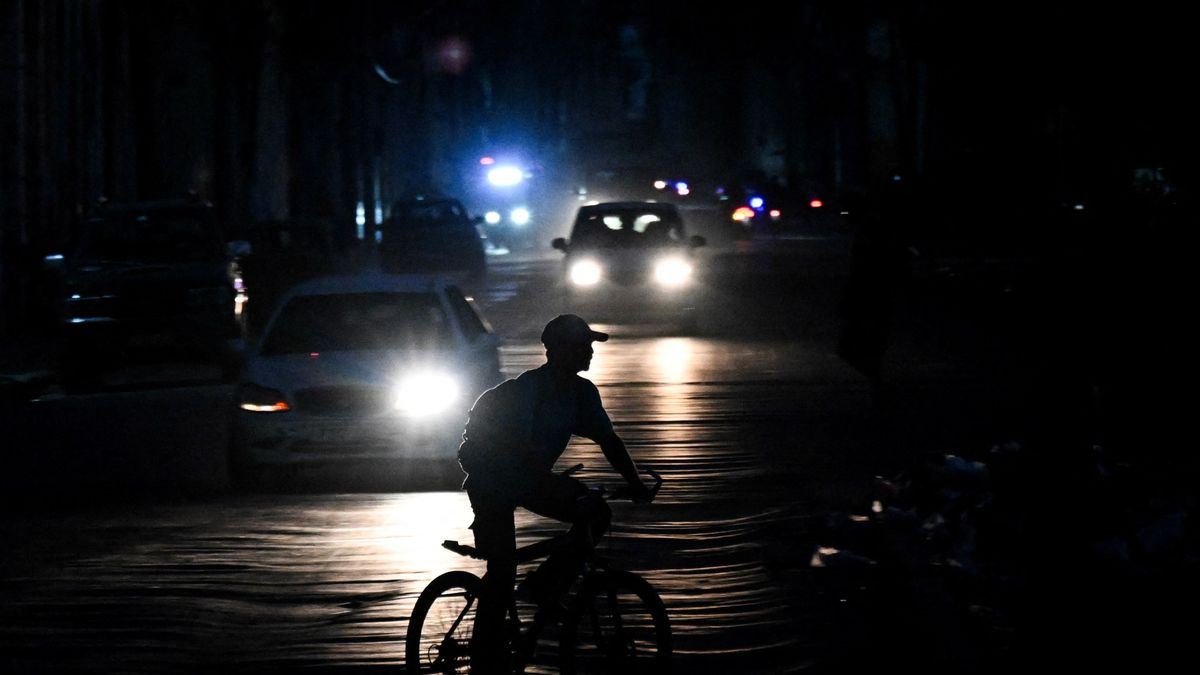
Cuba experienced another nationwide electricity grid collapse, plunging the entire island into darkness. This latest failure follows a series of widespread blackouts, including three in nine days during July, severely disrupting daily life for millions. The state-run Electric Union confirmed the collapse, which stems from a deteriorating grid infrastructure, chronic fuel shortages, and a critical lack of replacement parts.
This isn't merely a technical failure; it's a symptom of a deeply entrenched geopolitical and economic struggle. On one side, the Cuban government points to the severe US economic blockade, specifically the restrictions on oil supplies following the alleged abduction of Venezuelan President Nicolas Maduro and subsequent pressure on Mexico. This directly restricts Cuba's access to vital fuel and financing necessary for maintenance and upgrades. On the other side, critics cite decades of underinvestment and mismanagement within Cuba's state-controlled energy sector, where many thermoelectric plants are over 30 years old and poorly maintained. Both narratives hold partial truth, creating a feedback loop: sanctions exacerbate existing structural weaknesses, and internal inefficiencies make the system profoundly vulnerable to external pressures. The US maintains sanctions to pressure the Cuban government towards political change, while the Cuban government leverages the sanctions narrative to explain domestic failures and rally internal support.
While diplomats and policymakers debate, ordinary Cubans bear the immediate and severe consequences. Extended outages disrupt essential services: hospitals struggle to maintain critical equipment, water pumps cease functioning, and communication networks go dark. Families face immense challenges preserving food in the tropical heat without refrigeration, cooking meals, or simply finding respite from the oppressive summer temperatures. The repeated blackouts erode public trust, foster widespread frustration, and force communities into a constant state of improvisation and uncertainty, impacting everything from children's education to the elderly's health. The psychological toll of living with such unpredictability is immense, turning basic survival into a daily struggle.
What official statements from both Havana and Washington often downplay is the cumulative, grinding impact on the Cuban populace. The Cuban government, while highlighting the US blockade, often omits the extent of internal systemic issues, bureaucratic inertia, and the lack of transparent accountability for energy sector performance. Conversely, Washington's narrative often focuses on the political objectives of sanctions, minimizing the direct humanitarian consequences for everyday Cubans, framing them as an unfortunate but necessary byproduct of pressuring a regime. Neither side fully acknowledges the degree to which the average citizen is caught in the middle, their basic needs becoming bargaining chips in a protracted geopolitical struggle. The focus remains on high-level political maneuvering, while the daily struggle for survival in a blackout-stricken home remains largely unaddressed by powerful actors.
Watch for any shifts in regional energy alliances or new sources of fuel supply for Cuba, as the current reliance on dwindling Venezuelan oil and the pressure on Mexican imports are unsustainable. Pay close attention to internal Cuban government responses to public discontent, as repeated blackouts could strain social stability. Also, observe any subtle changes in US policy, particularly around humanitarian aid or specific exemptions for energy infrastructure, which could signal a softening or re-evaluation of the sanctions' efficacy and human impact. The long-term viability of Cuba's energy grid will depend on a complex interplay of international relations and domestic reform.
Source referenced: ALJAZEERA
This brief was synthesized by our Editorial Engine and reviewed by The Ground Narrative team.


