TRENDING

Saturday, 19 September 2026
----------------------
8 Rabi' Al-Thani 1448 AH
The recent migrant surge in Ceuta has reignited debates around immigration in Europe, with at least 72 migrants dead and thousands more returning to Morocco. As the city navigates the aftermath, residents are grappling with the humanitarian, political, and social fallout. The surge has also sparked a power play, with far-right politicians and influencers descending on the city, sparking counterprotests and highlighting the deep-seated tensions surrounding immigration.
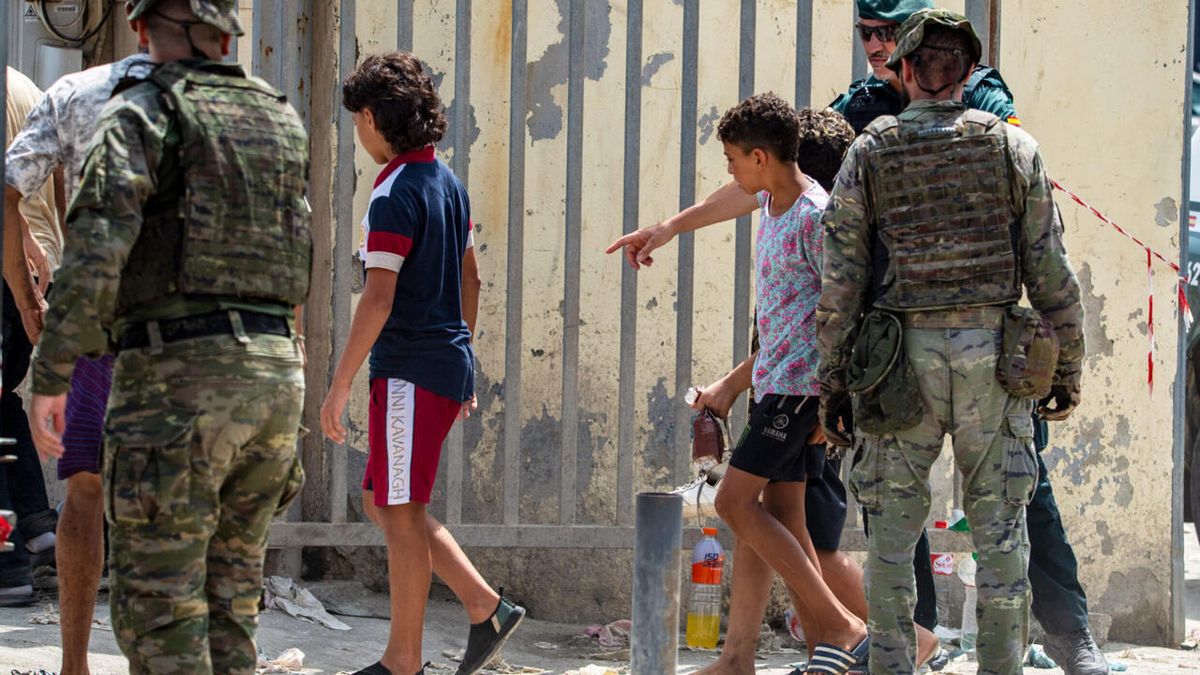
In a span of two days, up to 60,000 migrants entered the Spanish exclave of Ceuta from Morocco, swelling the city's population by more than half. The unprecedented surge resulted in at least 72 migrant deaths, with many more returning to Morocco. The city, known for its harmonious blend of four cultures, is now grappling with the aftermath of the border surge.
The migrant surge in Ceuta has exposed the underlying power dynamics at play in the region. The sudden rush of people has reignited debates around immigration in Europe, with far-right politicians and influencers seizing the opportunity to push their anti-immigrant agendas. The presence of these figures in Ceuta has sparked counterprotests, highlighting the deep-seated tensions surrounding immigration. The Spanish government's response to the crisis has also been called into question, with some accusing it of being ineffective in managing the border.
The migrant surge has had a devastating human cost, with at least 72 lives lost and thousands more affected. The city's residents, who pride themselves on their harmonious coexistence, are now grappling with the aftermath of the crisis. Many are questioning the loyalty of foreign-born residents, with some accusing them of having more allegiance to Morocco than Spain. The crisis has also highlighted the plight of unaccompanied minors, who were among those who crossed into Ceuta.
What is being downplayed in the official narrative is the role of European immigration policies in contributing to the crisis. The lack of safe and legal migration channels has forced many migrants to take dangerous routes, resulting in tragic consequences. The Spanish government's decision to install a floating barrier in Ceuta has also raised concerns about the treatment of migrants and the potential for further human rights abuses. Furthermore, the involvement of far-right politicians and influencers in the crisis has sparked concerns about the rise of anti-immigrant sentiment in Europe.
As the situation in Ceuta continues to unfold, readers should watch for the Spanish government's response to the crisis, including any potential changes to its immigration policies. The role of far-right politicians and influencers in shaping the narrative around immigration will also be crucial to monitor. Additionally, the treatment of migrants and the potential for further human rights abuses will be an important aspect to follow. The international community's response to the crisis, including any potential interventions or support for Spain and Morocco, will also be worth watching.
Editor's Note: The analysis is based on publicly available information and may not reflect the full complexity of the situation on the ground.
Source referenced: FRANCE24
This brief was synthesized by our Editorial Engine and reviewed by The Ground Narrative team.


