TRENDING

Saturday, 19 September 2026
----------------------
8 Rabi' Al-Thani 1448 AH
A sudden influx of 72,000 migrants into Spain's Ceuta enclave exposed deep rifts within the European Union on migration policy, while highlighting Morocco's potent diplomatic leverage. The crisis, swiftly 'resolved,' revealed how human lives become instruments in complex power plays between nations.
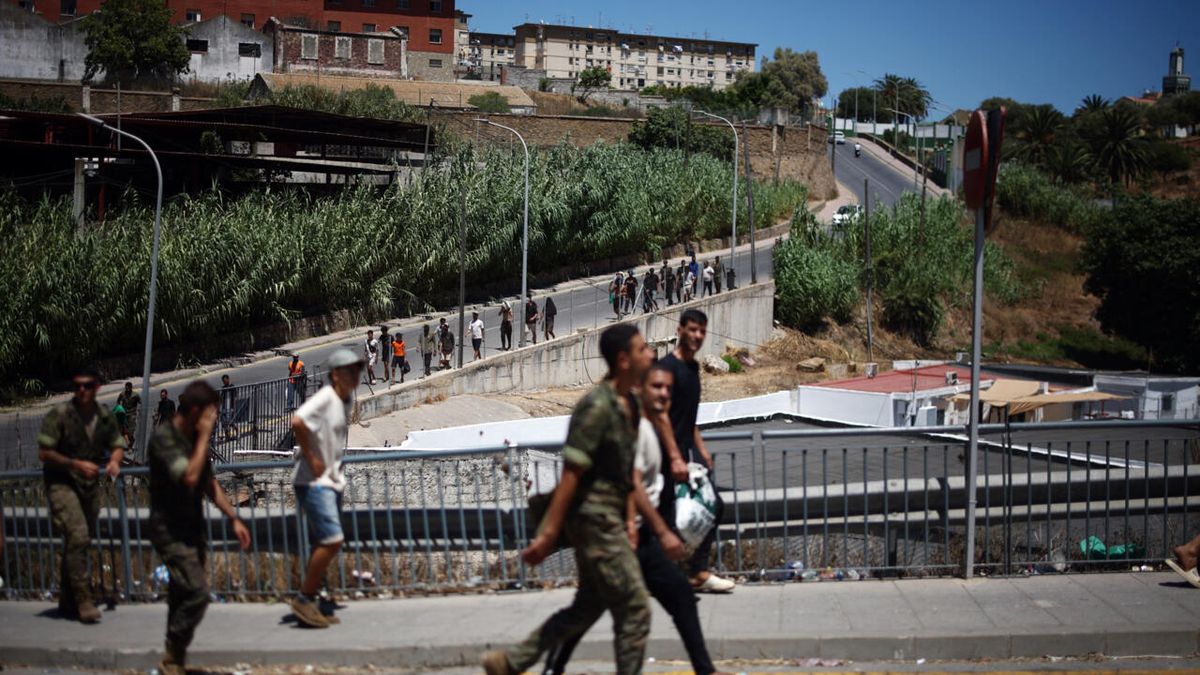
Last week, Spain's North African enclave of Ceuta witnessed an unprecedented influx as approximately 72,000 individuals crossed from Morocco. This mass movement, which saw dozens perish in the attempt, triggered immediate alarm across Europe. Spain swiftly moved to return the vast majority, confirming that all but 2,000 have since been sent back. Following the event, EU interior ministers convened, with officials declaring the crisis 'resolved' and relations between Spain and its European counterparts 'mended' after initial discord over Spain's migration policies.
The events in Ceuta were less a spontaneous migration wave and more a calculated demonstration of power. Morocco, often seeking concessions from Spain and the EU on issues like the disputed Western Sahara territory or trade advantages, has historically used migration flows as a diplomatic pressure point. The timing and scale of the Ceuta influx were a clear signal, leveraging Spain's vulnerability as the custodian of EU external borders in North Africa. Within the EU, the crisis immediately exposed deep fault lines. While Spain's government under Pedro Sanchez has advocated for a more open approach to migration, hardline states like Italy and Denmark seized the opportunity to push for stricter border controls and even suggested suspending Spain from the Schengen free-travel area. This internal friction highlights a fundamental disagreement within the bloc: whether to manage migration through integration and shared responsibility or through externalization and deterrence. The swift 'resolution' and declarations of solidarity at the EU meeting were largely an exercise in presenting a united front, temporarily papering over these persistent strategic differences.
The most immediate and profound cost of this geopolitical maneuvering was borne by the tens of thousands of individuals who made the perilous journey. Driven by desperation, hope, or perhaps even misinformation, they risked everything, with dozens losing their lives in the attempt. For them, Ceuta was not a diplomatic chess piece but a potential gateway to a better life, however fleeting. Their swift, often summary, return underscores their extreme vulnerability, caught between the strategic interests of two nations. Beyond the immediate human toll, Moroccan families were left in anguish, desperately searching for loved ones who had disappeared into the human tide. These individuals are not statistics; they are people whose lives are directly impacted by decisions made in distant capitals, used as pawns in a high-stakes game of international relations.
Official statements from both Morocco and the EU downplayed the deliberate nature of the Ceuta events. Morocco attributed the surge to 'misleading information' on social media, a convenient deflection from what was widely understood as a punitive measure against Spain. The EU, in turn, quickly declared 'solidarity' with Spain and the crisis 'resolved,' eager to move past the embarrassing display of disunity. What remains largely unaddressed is the long-term strategy of externalizing Europe's border control. The push for 'return hubs' outside the bloc, exemplified by Italy's deal with Albania, shifts the moral and logistical burden of migration management to non-EU countries, often with questionable human rights oversight. This approach allows EU nations to maintain a facade of control while sidestepping the complex ethical and humanitarian responsibilities that come with managing human movement. Furthermore, the threat of using trade measures against 'uncooperative' nations like Morocco reveals the stark economic leverage Europe wields, turning economic ties into tools of migration enforcement.
Moving forward, observers should closely watch the evolving relationship between Spain, Morocco, and the wider EU, particularly regarding the Western Sahara dispute and future trade agreements. The Ceuta incident has reinforced Morocco's understanding of its leverage, suggesting similar 'crises' could be manufactured in the future to extract concessions. Within the EU, the push for external 'return hubs' will likely gain momentum, with the Italy-Albania model potentially becoming a template. This will raise critical questions about human rights, accountability, and the true cost of outsourcing Europe's borders. Finally, the political exploitation of migration by right-wing voices will continue to shape national debates and EU policy, potentially leading to even more restrictive measures and further entrenching the divisions that Ceuta so starkly exposed.
Source referenced: FRANCE24
This brief was synthesized by our Editorial Engine and reviewed by The Ground Narrative team.


