TRENDING

Saturday, 19 September 2026
----------------------
8 Rabi' Al-Thani 1448 AH
The recent crisis in Ceuta has reignited a contentious debate about migration and Islam in Europe, with far-right politicians and Israeli officials seizing on the tragedy to advance their own agendas. As the humanitarian dimensions of the crisis are eclipsed by warnings of an 'Islamic invasion', it's essential to examine the power mechanics at play and the human cost of exploiting Ceuta.
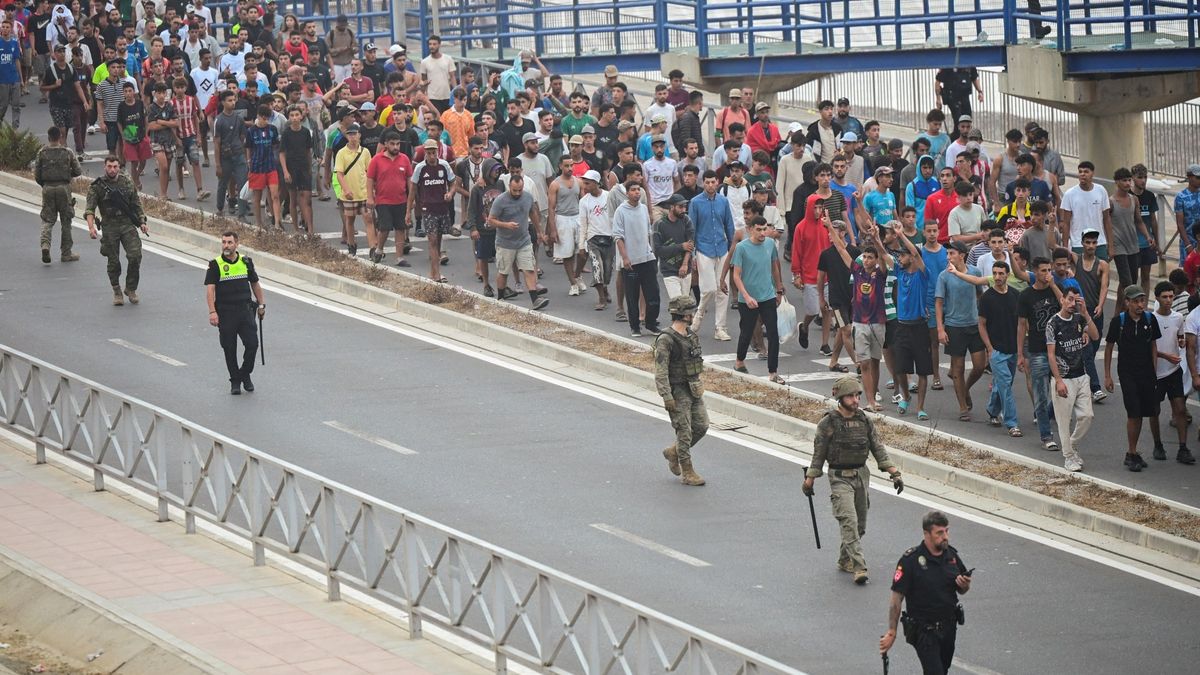
The crisis in Ceuta began with a surge of migrants attempting to cross from Morocco into the Spanish enclave, resulting in dozens of deaths and a renewed debate about migration and border controls in Europe. The speed at which the tragedy was exploited by far-right politicians and Israeli officials to advance their own agendas is striking, with warnings of an 'Islamic invasion' and calls for tougher border controls quickly gaining traction.
The convergence of interests between Europe's nationalist right and the Israeli government is a key factor in the exploitation of Ceuta. For the nationalist right, support for Israel provides an opportunity to present themselves as defenders of Jewish communities while pursuing policies directed against Muslim minorities and migrants. For the Israeli government, these movements offer reliable diplomatic support while reinforcing a narrative that links criticism of Israel to broader anxieties about migration and security. This narrative has become more pronounced since the war in Gaza, with Israeli officials arguing that changing European attitudes are driven less by the scale of destruction in Gaza than by demographic change and the growing political influence of Muslim communities.
The human cost of exploiting Ceuta is significant, with the tragedy being used to fuel hostility towards Muslims and undermine solidarity with Palestinians. The speed at which politicians, commentators, and activists converged around familiar themes suggests that the political infrastructure for interpreting such events already existed, with fear of migration fueling hostility towards Muslims and hostility towards Muslims making solidarity with Palestinians appear increasingly suspect. The consequences extend well beyond electoral politics, with debates about Palestine being increasingly discussed through the language of security and Muslim organizations being viewed through the lens of counter-extremism.
What is being downplayed in the official statements and media coverage of Ceuta is the fact that the tragedy is being used to shift the debate away from Israel's conduct in Gaza and towards the identity of those criticizing it. Opposition to Israeli policy is no longer presented primarily as a response to humanitarian catastrophe, occupation, or violations of international law, but rather as a consequence of demographic change and the political influence of Muslim communities. This framing has profound political consequences, with the distinction between combating anti-Semitism and broadening its meaning to encompass criticism of Israeli government policy becoming increasingly blurred.
As the debate about Ceuta and migration in Europe continues to unfold, it's essential to watch for the ways in which the narrative is being shaped and exploited by powerful actors. The convergence of interests between Europe's nationalist right and the Israeli government will likely continue to play a significant role in shaping the debate, with the human cost of exploiting Ceuta being used to fuel hostility towards Muslims and undermine solidarity with Palestinians. Readers should look for signs of how the debate is being reframed, with attention shifting away from the conduct of states and towards the identities of those raising concerns. The legitimacy of certain voices and political causes will be increasingly called into question, with the truth about the crisis in Ceuta becoming secondary to political utility.
Editor's Note: The analysis is based on publicly available information and may not reflect the full complexity of the situation on the ground.
Source referenced: ALJAZEERA
This brief was synthesized by our Editorial Engine and reviewed by The Ground Narrative team.


