TRENDING

Saturday, 19 September 2026
----------------------
8 Rabi' Al-Thani 1448 AH
The EU's migration chief claims the bloc has passed a crucial test of its border security and resilience to disinformation following a massive migrant influx into Spain's North African territory of Ceuta. However, the crisis has exposed deep divisions within the EU and raised questions about the human cost of its migration policies.
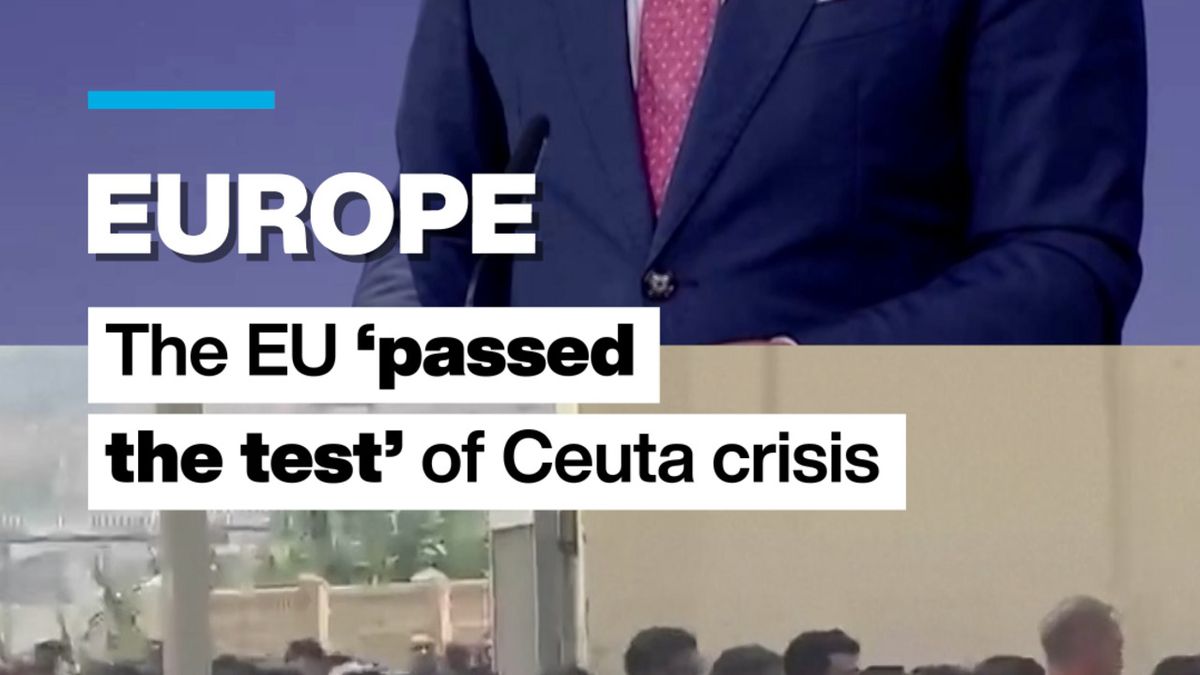
Over 70,000 migrants crossed the border from Morocco to the Spanish enclave of Ceuta in just 24 hours, fueling tensions among EU partners. The crisis was eventually eased after a constructive extraordinary meeting, with the EU's migration chief declaring that Europe had passed a test of its border security and resilience to disinformation.
The Ceuta crisis has highlighted the complex power dynamics at play in the EU's migration policies. On one hand, the EU is under pressure to demonstrate its ability to manage its borders and respond to migration crises. On the other hand, individual member states have their own interests and priorities, which can lead to tensions and divisions within the bloc. The crisis has also exposed the role of external actors, such as Morocco, which can use migration as a tool to exert pressure on the EU.
The migrants who crossed the border into Ceuta are not just statistics; they are individuals with their own stories and motivations. Many are fleeing conflict, persecution, or poverty in their home countries, and are seeking a better life in Europe. However, the EU's migration policies often prioritize border security over human rights, leaving migrants in a state of limbo. The crisis has also raised questions about the treatment of migrants in Ceuta, with reports of overcrowding, poor conditions, and limited access to basic services.
While the EU's migration chief has declared that Europe has passed a test, there are many aspects of the crisis that are being downplayed or omitted. For example, the role of EU migration policies in creating the conditions for the crisis is being overlooked. The EU's emphasis on border security and deportation has created a system in which migrants are forced to take risks to reach Europe, often with tragic consequences. Additionally, the crisis has highlighted the need for a more nuanced and sustainable approach to migration, one that takes into account the root causes of migration and the needs of both migrants and host communities.
As the EU continues to grapple with the aftermath of the Ceuta crisis, there are several key developments to watch. Firstly, the EU's migration policies are likely to come under increasing scrutiny, with calls for a more humane and sustainable approach. Secondly, the role of external actors, such as Morocco, will continue to be a major factor in the EU's migration policies. Finally, the crisis has highlighted the need for greater cooperation and coordination among EU member states, as well as with other regional actors, to address the root causes of migration and develop a more effective response to migration crises.
Editor's Note: The analysis is based on publicly available information and may not reflect the full complexity of the situation on the ground.
Source referenced: FRANCE24
This brief was synthesized by our Editorial Engine and reviewed by The Ground Narrative team.


