TRENDING

Saturday, 19 September 2026
----------------------
8 Rabi' Al-Thani 1448 AH
Thousands of Moroccans risked their lives crossing into Spain's Ceuta exclave, leading to dozens of deaths and desperate families. This incident exposes the raw human cost of complex political maneuvering between Morocco and the European Union.
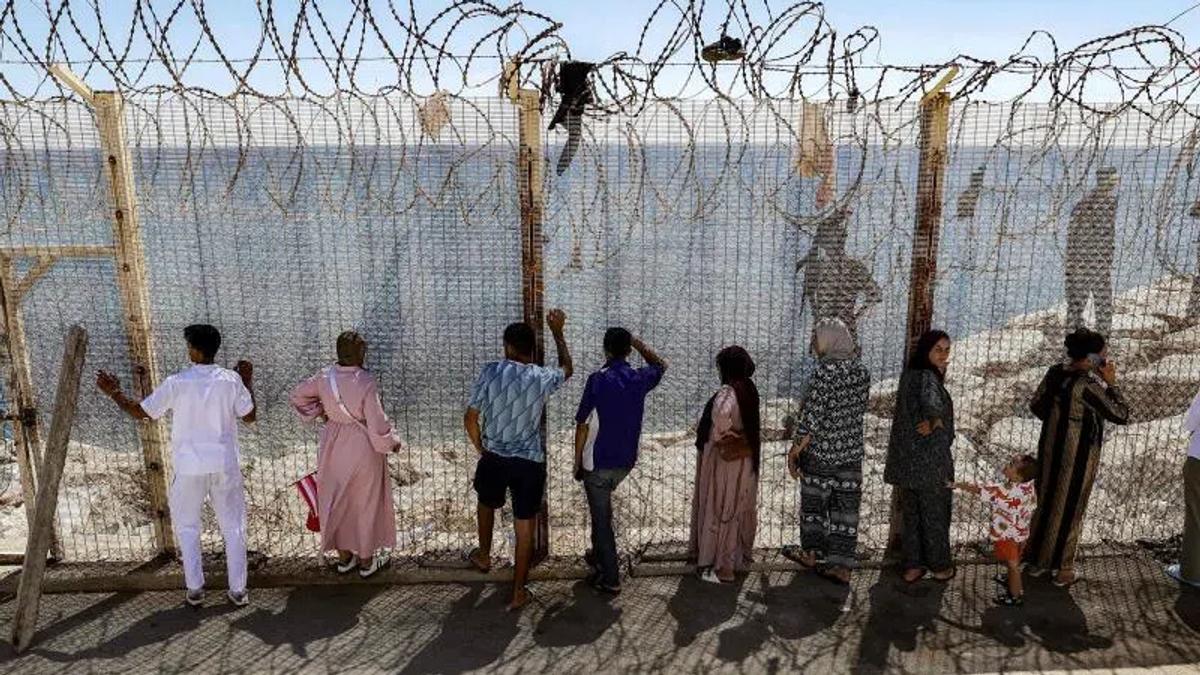
In early August, thousands of Moroccan citizens, many of them young, attempted to cross into Ceuta, a Spanish exclave on the North African coast, by swimming around its breakwaters or scaling its fences. This mass movement, reportedly fueled by rumors of an open border, quickly turned tragic. Spanish authorities reported 72 deaths, while human rights groups cited a figure closer to 130, with many still missing. On the Moroccan side, in towns like Fnideq, families gathered by the border, clutching photos and desperately seeking news of their loved ones, many of whom were unemployed and dreamed of a better life in Europe.
This isn't merely a spontaneous migration event; it's a stark demonstration of the intricate power dynamics between Morocco, Spain, and the wider European Union. Morocco acts as a crucial gatekeeper for Europe, controlling migration flows from North Africa and sub-Saharan Africa. This role grants Rabat significant leverage in its dealings with Madrid and Brussels, particularly concerning issues like the disputed Western Sahara territory or financial aid. Spain, on the other hand, is bound by EU migration policies, which prioritize border security and often involve externalizing control to neighboring states. The rapid repatriation of most migrants by Spain underscores its commitment to maintaining the integrity of its EU border, even as it faces a humanitarian crisis at its doorstep. The 'rumor' of an open border, while seemingly organic, often serves as a convenient cover for a deliberate, if temporary, loosening of Moroccan border controls, sending a clear message to its European partners.
The most immediate and devastating cost is borne by the migrants themselves and their families. Young men and women, driven by unemployment and a lack of economic opportunity in Morocco, see the perilous journey to Europe as their only hope for a future. The reported deaths, the agonizing wait of parents and siblings in Fnideq, and the stories of young people like Zouhair, who learned German hoping for a better life, paint a grim picture of desperation. These are not just statistics; they are individuals whose lives are caught between dire economic realities at home and the geopolitical chess game played by powerful states. Their choices, however dangerous, are often born of a profound lack of alternatives, making them the ultimate victims in a system designed to keep them out.
What governments and official statements consistently downplay is the calculated political dimension of such migration surges. While Moroccan authorities expressed concern, their 'inaction' and 'silence' – as decried by grieving relatives – are often interpreted as a deliberate tactic. Morocco has a history of using migration as a lever to extract concessions or express displeasure with Spain and the EU. By temporarily relaxing its border enforcement, Rabat can signal its dissatisfaction or demand greater cooperation on other strategic issues. The EU, in turn, finds itself in a bind: it needs Morocco to control its external borders but is wary of appearing to capitulate to such pressure. This transactional relationship, where human lives become instruments of foreign policy, is rarely acknowledged directly by any of the involved parties, who prefer to frame it as a humanitarian crisis or an issue of national sovereignty.
Moving forward, several key developments bear watching. Firstly, observe the nature of future diplomatic engagements between Spain, Morocco, and the EU. Any sudden increase in aid packages to Morocco, or shifts in Spain's stance on contentious issues, could indicate the success of Rabat's leverage play. Secondly, monitor Morocco's internal economic and social policies; a failure to address the root causes of youth unemployment and disillusionment will inevitably lead to more desperate attempts at irregular migration. Finally, the EU's broader migration strategy will be under renewed scrutiny. Will it double down on externalizing border control, or will it seek more comprehensive solutions that address both security and the underlying human drivers of migration? The human cost of these decisions will continue to be paid at the border, whether in Ceuta or elsewhere along Europe's periphery.
Source referenced: STRAITSTIMES
This brief was synthesized by our Editorial Engine and reviewed by The Ground Narrative team.


