TRENDING

Sunday, 2 August 2026
----------------------
19 Safar 1448 AH
The deaths of seven climbers, including renowned mountaineer Nirmal Purja, in an avalanche on Pakistan's Broad Peak, highlights the human cost of adventure and the power dynamics at play in the world of high-altitude mountaineering. As the retrieval mission continues, questions arise about the risks and responsibilities involved in pursuing extreme feats.
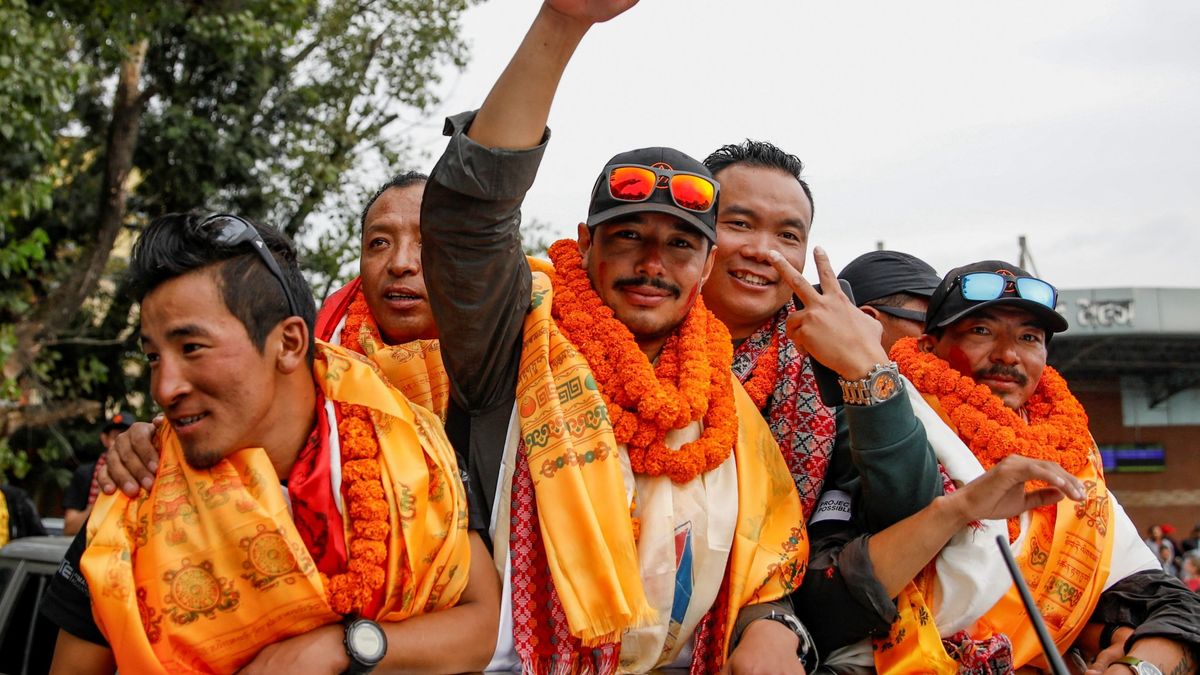
A devastating avalanche on Broad Peak, the world's twelfth-highest mountain, has claimed the lives of seven climbers, including celebrated Nepali-British mountaineer Nirmal Purja. The tragedy occurred during an international expedition, involving climbers from five countries, underscoring the global appeal of this formidable peak.
The pursuit of extreme mountaineering feats like climbing Broad Peak is often driven by a complex interplay of factors, including national pride, personal ambition, and commercial interests. Governments and expedition companies may downplay the risks involved to attract climbers and promote their countries' or companies' reputations. In this case, Pakistan's limited capacity for long-line helicopter rescues compared to neighboring Nepal has complicated the retrieval mission, highlighting the disparities in resources and infrastructure between countries.
The human cost of this tragedy extends beyond the climbers themselves, affecting families, communities, and entire nations. Nirmal Purja, a former Gurkha and special forces soldier, was not only a celebrated mountaineer but also an inspiration to many, particularly in Nepal. His death, along with that of other climbers, has sent shockwaves around the world, prompting tributes and condolences from leaders and ordinary people alike. The retrieval mission's challenges have also put a spotlight on the risks faced by local guides and support staff, like Pakistani guide Sohail Sakhi, who had planned to retire after this expedition.
What is often downplayed or omitted in the narratives surrounding high-altitude mountaineering is the immense pressure on climbers to push beyond their limits, driven by the desire for records, recognition, and financial gain. The commercialization of adventure sports can create a culture of risk-taking, where climbers feel compelled to take on increasingly daunting challenges to stay relevant and attract sponsors. This culture can have devastating consequences, as seen in the Broad Peak tragedy. Furthermore, the environmental impact of large-scale expeditions on fragile ecosystems like the Karakoram range is often overlooked, despite the potential long-term damage to these sensitive environments.
As the retrieval mission continues, and the climbing community comes to terms with this tragedy, readers should watch for how governments, expedition companies, and climbers themselves respond to the incident. Will there be a reevaluation of the risks and responsibilities involved in high-altitude mountaineering, or will the pursuit of extreme feats continue to drive the industry? Additionally, the aftermath of this tragedy may shed light on the often-overlooked contributions and sacrifices of local guides and support staff, who play a critical role in the success and safety of these expeditions.
Editor's Note: The analysis is based on publicly available information and may not reflect the full complexity of the situation.
Source referenced: ALJAZEERA
This brief was synthesized by our Editorial Engine and reviewed by The Ground Narrative team.


