TRENDING

Tuesday, 4 August 2026
----------------------
21 Safar 1448 AH
After years of delays and safety concerns, the Boeing 737 MAX 7 has been certified by the FAA, paving the way for deliveries to begin. But what does this mean for the future of aviation and the people affected by the plane's troubled past?
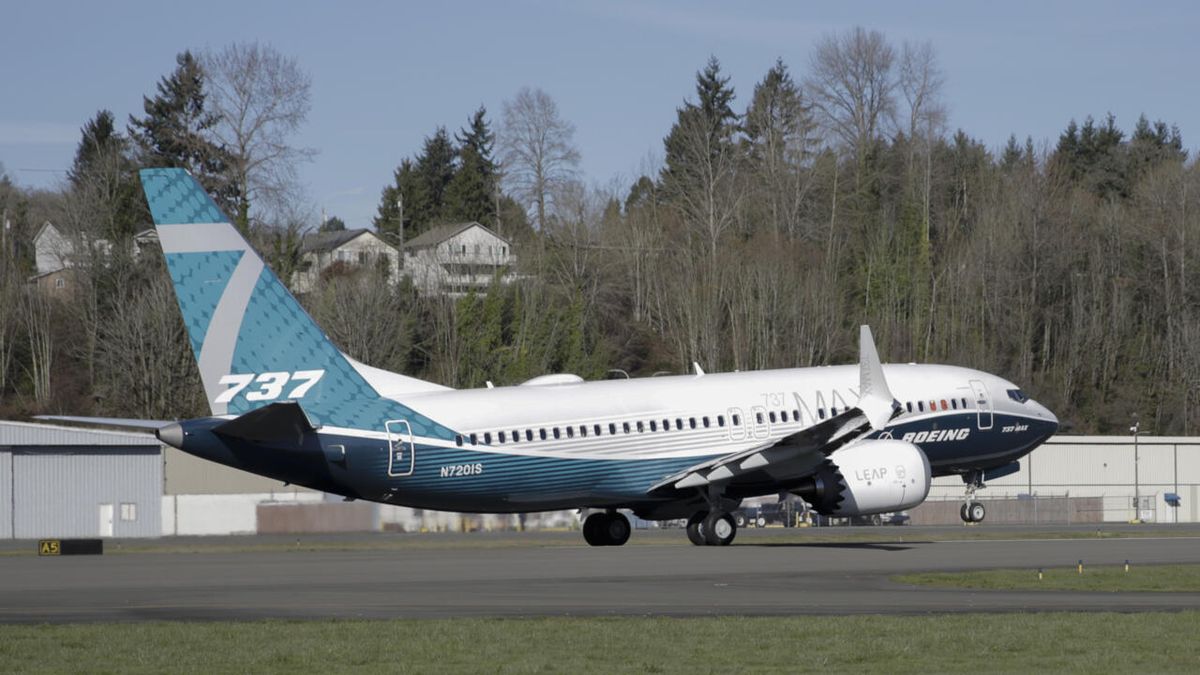
The Federal Aviation Administration (FAA) has certified the Boeing 737 MAX 7, the smallest version of the single-aisle MAX plane, after a prolonged certification process. This comes more than eight years after the plane's maiden flight and follows two fatal crashes in 2018 and 2019 that led to a significant overhaul of safety regulations.
The certification of the 737 MAX 7 is a significant win for Boeing, which has been working to recover from the damage to its reputation and finances caused by the crashes. The company has completed 441 flight tests and 686 test flight hours to meet the new safety requirements. However, the fact that Boeing is only now being certified for the 737 MAX 7, despite the plane's first flight in 2018, raises questions about the company's priorities and the effectiveness of regulatory oversight. The close relationship between Boeing and the FAA has been criticized in the past, with some arguing that it has led to a lack of transparency and accountability.
The human cost of the 737 MAX crashes cannot be overstated. The two fatal crashes in 2018 and 2019 resulted in the loss of hundreds of lives, and the subsequent grounding of the plane led to significant disruption to the aviation industry. The families of the victims are still seeking justice and answers, and the certification of the 737 MAX 7 is likely to be a bittersweet moment for them. Furthermore, the certification process has also had an impact on the workers involved in the production of the plane, with Boeing's supply chain and manufacturing processes coming under scrutiny.
One aspect of the story that is not being fully told is the role of government oversight in the certification process. While the FAA has been working to improve its regulatory framework, there are still concerns about the agency's ability to effectively oversee the aviation industry. The fact that Boeing was able to certify the 737 MAX 7 without fully addressing the issues that led to the fatal crashes raises questions about the effectiveness of the regulatory system. Additionally, the impact of the certification on the broader aviation industry is also being downplayed, with potential consequences for smaller airlines and manufacturers.
As Boeing begins to deliver the 737 MAX 7 to customers, there are several things to watch for. The company's ability to ramp up production will be critical to meeting demand and generating revenue. Additionally, the response of regulators and lawmakers to the certification of the 737 MAX 7 will be important, as they seek to balance the need for safety with the need for economic growth. Finally, the reaction of the public to the return of the 737 MAX to the skies will be closely watched, as concerns about safety and trust in the aviation industry remain high.
Editor's Note: The certification of the 737 MAX 7 is a significant development, but the underlying issues that led to the fatal crashes are still a concern.
Source referenced: FRANCE24
This brief was synthesized by our Editorial Engine and reviewed by The Ground Narrative team.