TRENDING

Saturday, 19 September 2026
----------------------
8 Rabi' Al-Thani 1448 AH
The tragic death of a British aid worker in Athens, allegedly at the hands of an Afghan asylum seeker, exposes the profound vulnerabilities at the intersection of migration, aid, and urban precarity in Europe.
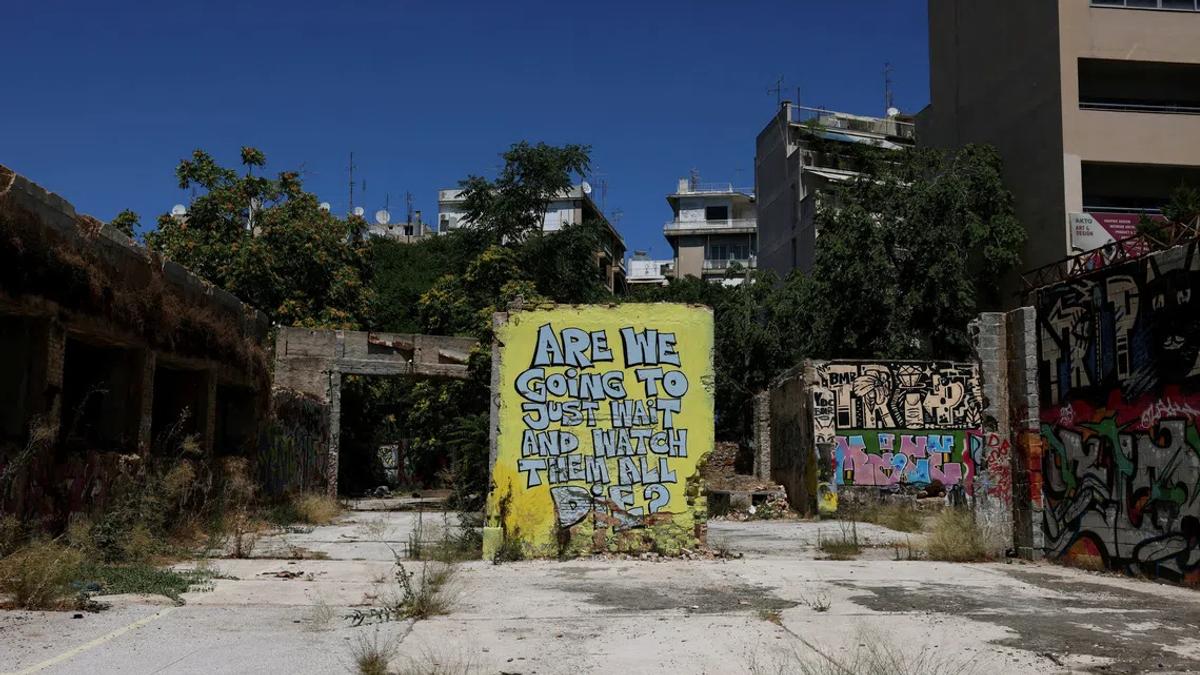
In Athens, a 26-year-old professional boxer from Afghanistan, an asylum seeker, has been arrested and charged in connection with the death of Elisabeth Jane Ross, a 38-year-old British aid worker. Ross's body was discovered in a suitcase at an abandoned construction site, prompting charges of manslaughter, robbery, and illegal gun possession against the suspect, who denies murder and claims he panicked after finding her body.
This incident is not merely a criminal case; it is a stark illustration of the structural pressures bearing down on Greece and, by extension, the European Union's migration framework. Greece serves as a primary entry point for migrants and asylum seekers into Europe, a role that has profoundly strained its social services, economic capacity, and integration mechanisms. The EU's fragmented approach to migration, often leaving frontline states like Greece to manage disproportionate burdens, means that individuals granted asylum frequently find themselves in a precarious limbo, lacking robust support for integration into society and the economy. This creates an environment where desperation can fester, and the lines between formal aid structures and the informal, often vulnerable, lives of those they seek to help can become dangerously blurred. The power dynamics here are multi-layered: the state's power to grant or deny status, the aid organizations' power to provide resources, and the profound powerlessness experienced by many asylum seekers navigating a complex, often indifferent, bureaucracy.
The immediate human cost is borne by Elisabeth Ross, whose life dedicated to humanitarian work was tragically cut short, and by her grieving family and friends. But the cost extends far wider. The Afghan suspect, regardless of his guilt or innocence in the alleged crime, represents a broader population of asylum seekers whose journeys are marked by trauma and whose integration into new societies is often incomplete or entirely absent. This incident risks fueling xenophobia and prejudice against the entire refugee and migrant community in Greece, making their already challenging lives even more precarious. Aid workers themselves are also a human cost, often operating in high-stress environments, facing risks that are frequently downplayed in official narratives. Their vulnerability, working closely with traumatized populations in urban settings, is rarely a headline until tragedy strikes.
What is often omitted or downplayed in official statements and media narratives is the systemic failure to adequately integrate asylum seekers once they are granted status. The focus tends to be on border control and initial processing, rather than on the long-term societal and psychological support needed to prevent desperation and foster genuine integration. Governments and EU institutions rarely acknowledge the direct link between underfunded integration programs, the mental health crisis among displaced populations, and the potential for social friction or tragic outcomes. Furthermore, the complexities and inherent risks of urban aid work, particularly in areas with high social stress and informal economies, are rarely discussed transparently. The informal networks and living arrangements that often characterize aid delivery in such contexts, while sometimes necessary, can also create vulnerabilities that official structures are ill-equipped to address or even acknowledge.
As the legal proceedings against the suspect unfold, the details emerging from the trial will be critical. Beyond the courtroom, observers should watch for how Greek authorities and the European Union respond to the underlying systemic issues this tragedy illuminates. Will there be a renewed focus on bolstering integration programs for asylum seekers, or will the incident be used to justify stricter, more exclusionary migration policies? The impact on aid organizations operating in Greece, particularly those working with vulnerable populations in urban centers, will also be a key indicator. Any changes in their operational protocols, funding, or public perception could significantly alter the landscape of humanitarian assistance in the region. Ultimately, this incident forces a difficult conversation about the true costs of a fragmented and under-resourced approach to migration, a conversation that powerful actors often prefer to avoid.
Source referenced: STRAITSTIMES
This brief was synthesized by our Editorial Engine and reviewed by The Ground Narrative team.


