TRENDING

Wednesday, 5 August 2026
----------------------
22 Safar 1448 AH
Abdul El-Sayed's victory in the Michigan Democratic primary election marks a significant shift in the party's dynamics, with a focus on universal healthcare and reducing corporate influence in elections. His progressive platform and criticism of Israel's policies reflect a growing divide within the Democratic Party.
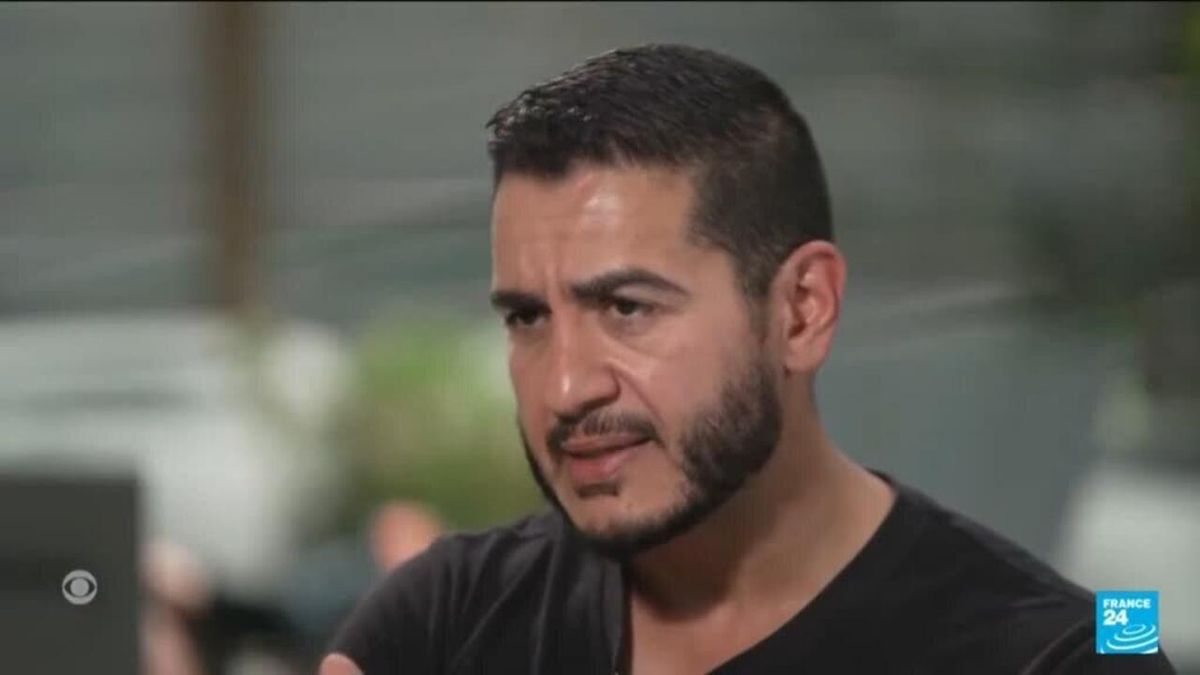
Abdul El-Sayed has won the Michigan Democratic primary election, positioning himself as a potential challenger for one of the state's Senate seats. This outcome is notable for its reflection of a broader trend within the Democratic Party, where progressive candidates are increasingly challenging the centrist establishment. El-Sayed's campaign focused on key issues such as achieving universal healthcare and eliminating corporate money from elections, resonating with a segment of the party seeking more profound change.
The victory of Abdul El-Sayed in the Michigan Democratic primary underscores the ongoing struggle for power within the Democratic Party. Progressive candidates like El-Sayed are leveraging grassroots support and a desire for systemic change to challenge the party's traditional centrists. This shift is partly driven by a growing dissatisfaction among voters with the influence of corporate money in politics and the perceived inadequacy of the current healthcare system. Furthermore, El-Sayed's criticism of Israel and its policies towards Palestine reflects a growing divide within the Democratic Party, with many younger and more progressive members advocating for a more critical stance towards Israel.
The policies advocated by El-Sayed, particularly universal healthcare, have the potential to significantly impact the lives of millions of Americans who struggle with healthcare access and affordability. The human cost of the current system is evident in the countless stories of individuals facing financial ruin or delayed medical treatment due to lack of insurance or exorbitant costs. El-Sayed's platform, if successful, could alleviate much of this suffering, providing a more equitable and comprehensive healthcare system.
A critical aspect of El-Sayed's campaign that is often downplayed is the potential backlash from powerful interests, including corporate donors and pro-Israel lobbies, who may view his policies as a threat to their influence and interests. The Democratic Party's establishment and its allies may also resist the shift towards progressive policies, fearing it could alienate moderate voters or donors. Additionally, the implications of El-Sayed's criticism of Israel for US foreign policy and the potential for increased tensions with Israel's allies are topics that are not fully explored in the mainstream discourse.
As Abdul El-Sayed moves forward in his campaign, several factors will be crucial to watch. Firstly, how the Democratic Party's establishment responds to his progressive agenda will indicate whether there is a genuine willingness to embrace change or if there will be attempts to undermine his campaign. Secondly, the reaction of corporate interests and pro-Israel groups to El-Sayed's policies will highlight the challenges faced by progressive candidates in challenging entrenched power structures. Lastly, the voter turnout and support for El-Sayed in the general election will be a significant indicator of whether his message resonates with a broader audience, potentially paving the way for similar progressive challenges across the country.
Editor's Note: The analysis is based on current trends and may evolve as more information becomes available.
Source referenced: FRANCE24
This brief was synthesized by our Editorial Engine and reviewed by The Ground Narrative team.